
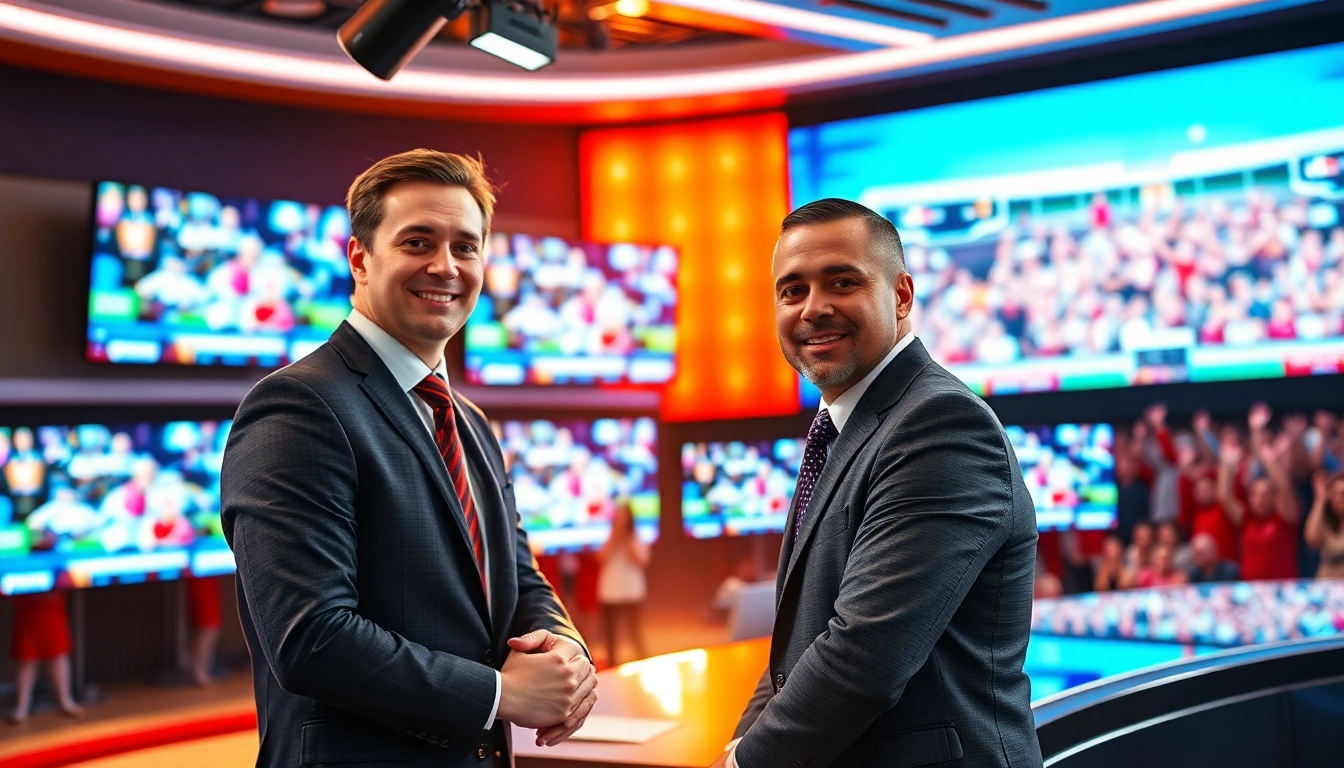
Understanding the Fundamentals of Sports Broadcasting
What is Sports Broadcasting?
Sports Broadcasting refers to the transmission of live or recorded sporting events through various media channels, including television, radio, and online streaming platforms. It encompasses a wide range of activities, from play-by-play commentary and analysis to storytelling and audience engagement. The goal is to deliver an entertaining and informative experience that enhances viewers’ enjoyment of the event. With the rise of digital platforms, Sports Broadcasting has evolved beyond traditional methods, allowing fans to access content on-demand and across multiple channels.
The Evolution of Sports Broadcasting
The roots of sports broadcasting can be traced back to the late 19th century with the first radio broadcasts of baseball games. However, it wasn’t until the advent of television in the mid-20th century that sports broadcasting truly exploded in popularity. Big events like the Super Bowl and the Olympics became staples of family entertainment as networks competed for broadcasting rights.
Over the years, advancements in technology have further shaped the industry. The introduction of color television, satellite broadcasting, and cable sports networks provided viewers with more options than ever before. Recently, streaming services have revolutionized how fans consume sports, providing access to a broader range of events and real-time interaction through social media.
Key Roles in Sports Broadcasting
Sports broadcasting is a collaborative effort involving various professionals, each playing a crucial role. Key positions include:
- Play-by-Play Announcers: They provide live commentary, guiding viewers through the event with dynamic descriptions.
- Color Commentators: These experts offer analysis, insights, and context, enhancing the audience’s understanding of the game.
- Producers: Responsible for the overall workflow, they ensure that broadcasts meet high standards for quality and timing.
- Technical Crew: This team is behind-the-scenes, handling equipment and ensuring seamless audio and video quality.
- Sports Journalists: They cover stories, conduct interviews, and add depth to broadcasts by focusing on player dynamics and team backgrounds.
Preparing for a Career in Sports Broadcasting
Essential Skills Required for Sports Broadcasters
To thrive in sports broadcasting, aspiring professionals must develop a diverse skill set. Key skills include:
- Communication Skills: Clear and engaging communication is vital, whether through speaking or writing.
- Research Abilities: Broadcasters must be knowledgeable about teams, players, and sports history.
- Technical Proficiency: Familiarity with broadcasting equipment and software is crucial in an increasingly tech-driven industry.
- Creative Thinking: Broadcasters need to think on their feet, especially during live events where unexpected situations can arise.
- Networking Skills: Building relationships within the industry can help secure opportunities and collaborations.
Education and Training Options
A solid educational background can provide a significant advantage in sports broadcasting. Aspiring broadcasters often pursue degrees in fields such as journalism, communications, or media studies. Many universities offer specialized programs focusing on sports media, which include hands-on training with broadcasting equipment. Additionally, internships at local radio stations or sports networks are invaluable for gaining real-world experience and forming professional connections.
Networking in the Sports Broadcasting Industry
Networking is essential in the sports broadcasting world. Joining professional organizations, attending industry conventions, and participating in workshops can help individuals connect with seasoned professionals. Mentorship from experienced broadcasters can provide guidance and insider knowledge, while contributing to community sports events can enhance visibility and meet potential supporters.
Technology’s Impact on Sports Broadcasting
State-of-the-Art Broadcasting Equipment
The landscape of sports broadcasting technology is rapidly evolving. High-definition cameras, drones, and advanced audio equipment have transformed how events are captured and presented. Augmented reality (AR) and virtual reality (VR) are also making waves, allowing viewers to experience sports in immersive ways. For instance, AR graphics can provide real-time stats and player information during live broadcasts, heightening viewer engagement.
Streaming vs. Traditional Broadcasting: Pros and Cons
The debate between streaming and traditional broadcasting continues to shape the industry. Streaming platforms offer flexibility, enabling viewers to watch games on their own schedules and devices. Accessibility to niche sports has increased, appealing to dedicated fan bases. Conversely, traditional broadcasting still holds value with its established viewer base and structured programming.
Each method has its benefits and drawbacks, leading to hybrid models that combine both approaches to capitalize on the strengths of each system.
Future Technologies in Sports Broadcasting
Emerging technologies like artificial intelligence (AI) and machine learning are set to revolutionize sports broadcasting. AI can analyze vast amounts of data to help broadcast teams deliver tailored content based on viewer preferences. Innovations in 5G technology promise faster streaming and enhanced interactivity, further enriching live sports experiences. As technology continues to advance, broadcasters must stay informed and adaptable to maintain their edge.
Effective Strategies for Sports Broadcasting
Creating Engaging Content for Audiences
To stand out in the competitive sports broadcasting landscape, creating compelling content is key. Storytelling techniques, such as highlighting personal narratives of athletes or the history of rivalries, can deepen the viewer’s connection to the sport. Interactive elements during broadcasts, such as polls or live questions from viewers, can also foster a sense of community and involvement.
Utilizing Social Media for Sports Networking
Social media has become a powerful tool for sports broadcasters, allowing them to reach a broader audience and engage fans in real time. Broadcasting highlights on platforms like Twitter, Instagram, and TikTok can create buzz, while live-tweeting games or hosting discussions enhances viewer interaction. Social media also serves as a platform for broadcasters to showcase their personality and expertise, broadening their professional reach.
Handling Live Events: Best Practices
Live events pose a unique set of challenges. Preparation is vital, requiring broadcasters to stay informed about the teams and players. Having contingency plans for technical difficulties ensures a seamless viewing experience. Prior rehearsal, understanding pacing, and coordinating closely with the production team are also critical for smooth execution during live events.
Measuring Success in Sports Broadcasting
Key Performance Indicators to Track
Understanding what metrics indicate success is crucial. Key performance indicators (KPIs) for sports broadcasting include viewer ratings, social media engagement, and sponsorship revenues. Tracking these metrics helps broadcasters gauge the effectiveness of their content and strategies, allowing for continuous improvement.
Understanding Audience Engagement Metrics
Engagement metrics such as average watch time, viewer interaction rates, and feedback through social media can provide deep insights into audience preferences. Analyzing these metrics can help broadcasters tailor their content to maximize reach and retention, adapting programming based on viewer feedback and behavior.
Improving Broadcast Quality Through Feedback
Soliciting and utilizing feedback from both viewers and industry professionals can significantly enhance broadcast quality. Post-event surveys, comments from social media, and ratings can offer valuable insights into what works and what doesn’t. Continuous refinement based on this feedback keeps content fresh and aligned with audience expectations, fostering greater loyalty and viewership.
Frequently Asked Questions
1. What qualifications do I need for sports broadcasting?
A degree in journalism, communications, or a related field is beneficial; hands-on experience and strong communication skills are also crucial.
2. How can I start a career in sports broadcasting?
Begin by gaining experience through internships, volunteer work, or local media. Networking and building connections in the industry is key.
3. Is live broadcasting more challenging than recorded shows?
Yes, live broadcasting requires quick thinking and adaptability. There’s less room for error, making preparation and teamwork vital.
4. What technology is changing sports broadcasting?
Technologies like AI, VR, and 5G are transforming how content is created, delivered, and experienced, offering new possibilities for engagement.
5. How do broadcasters measure success?
Success is typically measured using metrics like viewer ratings, social media engagement, and revenue, helping refine strategies for improvement.