
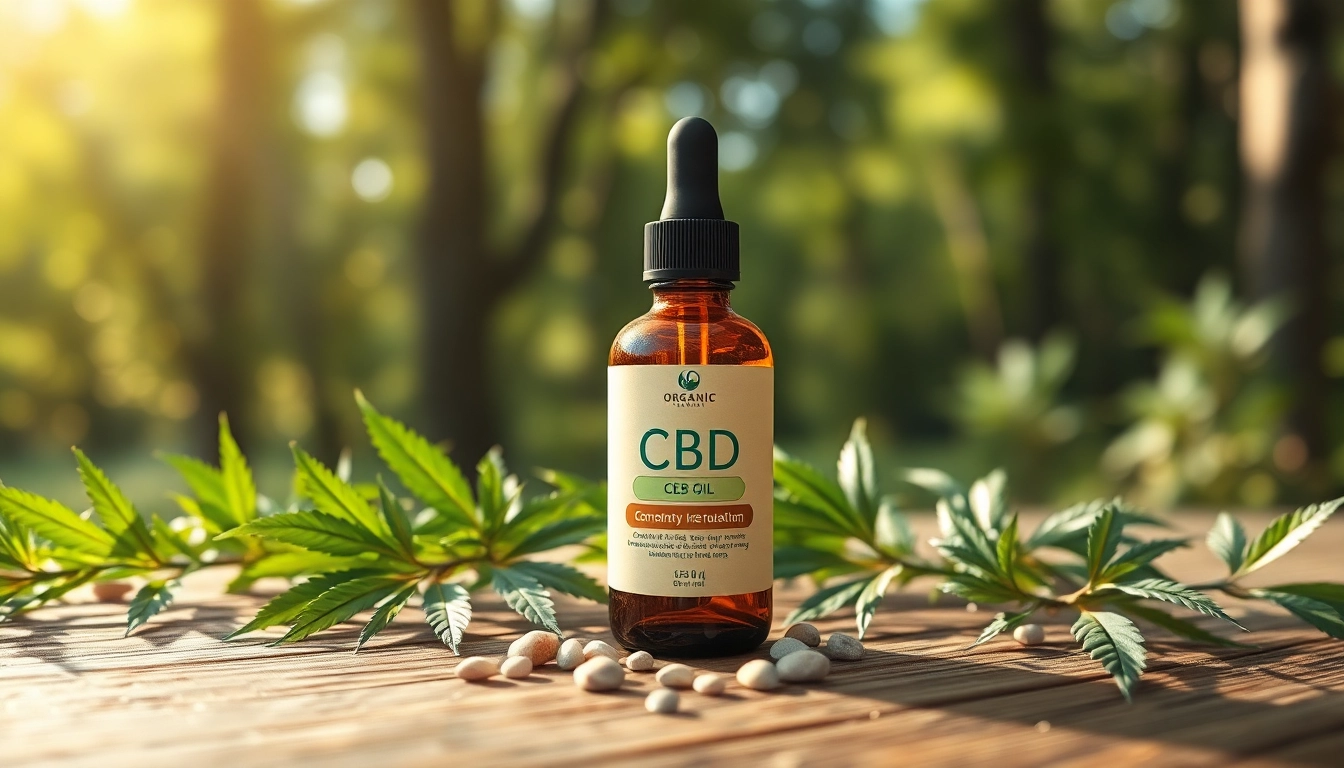
Organic CBD oil has become a significant player in the wellness industry, garnering attention from health-conscious consumers seeking natural alternatives for various ailments. This article delves into the myriad benefits of organic CBD oil, offering insights on its health advantages, how it interacts with our body, and tips for choosing and utilizing this product effectively. Additionally, we will debunk common misconceptions surrounding CBD oil and explore future trends impacting its market. For those interested in exploring the potential of this natural remedy, Organic CBD oil offers a promising solution.
The Benefits of Organic CBD Oil
Understanding the Health Benefits
Organic CBD oil is celebrated for its numerous health benefits, many of which are backed by scientific research. Among the most notable benefits are its anti-inflammatory properties, neuroprotective effects, and potential anxiolytic (anxiety-reducing) qualities. Research indicates that CBD interacts with the body’s endocannabinoid system, playing a role in various physiological processes, including pain modulation, immune response, and mood regulation.
One of the most compelling aspects of organic CBD oil is its ability to alleviate chronic pain, making it a viable alternative for individuals seeking to manage discomfort without the use of pharmaceutical drugs. Studies suggest that CBD oil can help reduce inflammation and pain associated with arthritis, multiple sclerosis, and neuropathic conditions, offering hope to those battling chronic pain scenarios.
Additionally, organic CBD oil has shown promise in reducing symptoms associated with anxiety and depression. While traditional pharmacological treatments often come with side effects, many users report that CBD oil enhances their overall sense of calm without significant adverse effects. Furthermore, research articles indicate that CBD may help improve sleep quality, providing a natural remedy for those with insomnia and sleep disturbances.
How It Affects the Endocannabinoid System
The endocannabinoid system (ECS) is a complex cell-signaling system found in the body, crucial for maintaining homeostasis, regulating mood, pain, appetite, and immune functions. Organic CBD oil interacts with this system, specifically with CB1 and CB2 receptors, influencing how we experience pain and pleasure.
When CBD is consumed, it does not bind directly to these receptors; instead, it enhances the body’s ability to use its naturally produced cannabinoids more effectively. This unique mode of action explains CBD’s diverse therapeutic effects, from pain relief to mood enhancement, establishing it as a versatile wellness product.
Comparative Advantages Over Non-Organic Options
While non-organic CBD oil may offer some benefits, choosing organic CBD oil provides additional assurances regarding product purity and safety. Organic farming practices prohibit harmful pesticides and herbicides, ensuring that the oil harvested is free from toxic residues. Moreover, organic products are typically subject to stricter regulations and undergo more rigorous testing, offering consumers peace of mind that they are using a safe, high-quality product.
In addition, organic CBD oil often contains a broader spectrum of beneficial compounds found in hemp, including terpenes and flavonoids, which contribute to the “entourage effect.” This phenomenon suggests that the therapeutic effects of CBD are enhanced when it is combined with other compounds present in the hemp plant, highlighting the superiority of organic formulations in maximizing health benefits.
Choosing the Right Organic CBD Oil
Key Factors to Consider
When selecting organic CBD oil, consumers should consider several key factors to ensure they are making a well-informed choice. Firstly, sourcing is crucial; reputable brands will provide information about where their hemp is grown. Hemp is a bio-accumulator and can absorb contaminants from the soil, which means it’s vital to choose products derived from clean, organic farms.
Secondly, the extraction method is essential as it influences product quality. CO2 extraction is considered the gold standard due to its efficiency, purity, and safety, preserving the integrity of the oil while ensuring maximum potency. Finally, consumers should evaluate the product’s potency, assessing the concentration of CBD per serving to find a formulation that meets their specific needs.
Understanding Labels and Certifications
Labels on CBD products can often be confusing, but understanding them is vital for choosing the right organic CBD oil. Certifications such as USDA Organic and third-party lab testing results should be clearly displayed on the packaging or the company’s website. Third-party testing ensures that the product is free from harmful substances and confirms the potency of CBD listed on the label.
In addition, look for manufacturer transparency regarding their practices, such as sourcing, extraction methods, and production processes. Knowledgeable and reputable brands are usually very forthcoming with information, bolstering their credibility in the eyes of discerning consumers.
Testing and Quality Assurance Practices
Quality assurance is paramount in the CBD oil market. Consumers should seek brands that provide access to Certificate of Analysis (COA) for their products, confirming that they have undergone thorough testing for cannabinoid content and contaminants. This transparency not only reassures customers of the product’s safety but also builds trust between the manufacturer and the consumer.
Additionally, reputable brands will have quality control measures in place throughout the production process, from seed to shelf. This includes careful monitoring of growing conditions, harvesting techniques, extraction methods, and bottling practices to ensure that the final product maintains its integrity and potency.
How to Use Organic CBD Oil Effectively
Different Methods of Consumption
There are several ways to consume organic CBD oil, and the right method largely depends on individual preferences and intended effects. Popular methods include sublingual administration, where a few drops are placed under the tongue for quick absorption. This method is favored for its immediacy and convenience, allowing CBD to enter the bloodstream directly without first passing through the digestive system.
Other methods include adding CBD oil to food or beverages, which can be enjoyable for those who may not appreciate the earthy taste of hemp oil. Topical applications, such as creams and salves infused with CBD oil, are also effective for localized relief of pain and inflammation. Understanding these options enables consumers to determine which method aligns best with their lifestyle and health goals.
Dosage Guidelines for Beginners
Finding the right dosage is crucial for obtaining the desired effects of organic CBD oil. For beginners, it is advisable to start with a low dose, typically around 5-10 mg of CBD per day, and gradually increase until the desired outcome is achieved. Factors such as body weight, individual body chemistry, and specific health concerns will influence the optimal dosage.
It is recommended to maintain a journal documenting the dosage and effects experienced, assisting in tailoring to a precise regimen that supports personal wellness goals. Consistency is key in realizing the benefits of CBD oil; therefore, establishing a routine based on insights gathered from personal experience is advisable.
Integrating Into Daily Routine
Incorporating organic CBD oil into a daily routine can enhance overall wellness. For those seeking anxiety relief, consuming CBD oil in the morning may help set a calm tone for the day. Alternatively, taking it before bedtime can support a more restful sleep. Consider pairing use with activities that promote mindfulness, such as meditation or yoga, further amplifying the calming effects of CBD.
Additionally, integrating CBD oil into cooking or beverages not only promotes wellness but also introduces an enjoyable routine. As consumers explore various uses, they can find innovative ways to seamlessly incorporate organic CBD oil into daily life, making it a natural component of their health regimen.
Common Misconceptions About Organic CBD Oil
Debunking Popular Myths
Despite its growing popularity, misconceptions about organic CBD oil persist. One common myth is that CBD oil is synonymous with marijuana and will produce psychoactive effects. In reality, organic CBD oil derived from hemp contains minimal THC, the psychoactive compound, which means it does not create a “high.” This distinction is crucial for individuals seeking the health benefits of CBD without the psychoactive effects.
Another misconception is that all CBD products are created equal. The quality, potency, and purity of CBD oil can vary significantly among products, emphasizing the importance of thorough research and informed choices when selecting organic CBD oil.
The Difference Between CBD and THC
Understanding the difference between CBD and THC is essential for consumers. While both compounds are cannabinoids found in Cannabis sativa, their effects on the body are distinct. THC is responsible for the intoxicating effects associated with marijuana, while CBD offers therapeutic benefits without psychoactivity. This meaningful difference allows individuals to reap health benefits without fearing legal repercussions or cognitive distortion.
Both compounds may interact with the endocannabinoid system but do so in markedly different ways. While THC binds directly to receptors, CBD’s role as a modulator enhances the effects of the body’s own cannabinoids, underscoring its potential as a non-intoxicating therapeutic option.
Legal Status and Regulations
The legal status of organic CBD oil varies by region, often influenced by the THC content and where it is sourced. In many areas, CBD derived from hemp plants containing less than 0.3% THC is legal, while variations exist in different states or countries. Consumers should familiarize themselves with local regulations to ensure compliance before purchasing and using CBD oil.
As the market continues to evolve, regulatory changes are anticipated, contributing to a shift toward greater standardization and quality assurance in the industry.
Future Trends in Organic CBD Oil
Emerging Products and Innovations
The landscape of organic CBD oil is rapidly evolving, with innovative products continually emerging to meet consumer demands. From water-soluble CBD formulations for enhanced absorption to specialized products targeting specific health issues, the market is expanding to cater to a broader range of needs and preferences.
Moreover, as research delves deeper into the potential benefits and uses of CBD, new applications may arise, leading to exciting product development in the areas of beauty, wellness, and nutrition, reinforcing organic CBD oil’s place in modern holistic health.
Shifting Consumer Preferences
Today’s consumers are increasingly health-conscious and informed, leading to a demand for high-quality, clean products. There is a trend toward sustainability, with consumers seeking brands that prioritize environmentally friendly farming practices and provide transparency in their supply chains. Organic CBD oil fits this narrative perfectly, appealing to those who value natural and ethical choices in their wellness products.
Furthermore, consumers are becoming more selective in their purchasing decisions, gravitating toward brands that not only prioritize quality but also offer relatable educational resources. This shift reinforces the need for brands to provide clear information about their products and the benefits of CBD oil.
Regulatory Changes Impacting the Market
As federal and state regulations surrounding CBD continue to evolve, we can expect increased scrutiny on product labeling, advertising claims, and safety standards. Regulatory clarity will likely attract more businesses to the CBD industry, fostering an environment of innovation and competition that could benefit consumers through better quality products at competitive prices.
Increased regulation may also encourage more extensive scientific research on organic CBD oil, leading to expanded understanding and acceptance of its benefits, which could result in wider adoption among consumers seeking natural health solutions.
Frequently Asked Questions
What is organic CBD oil?
Organic CBD oil is extracted from hemp plants grown under organic farming practices, ensuring no synthetic fertilizers, herbicides, or pesticides are used, resulting in a pure and safe product.
How do I know if my CBD oil is organic?
Look for certifications like USDA Organic and check for transparency in sourcing and production methods. Reputable brands usually provide lab testing results ensuring product quality.
Can organic CBD oil get me high?
No, organic CBD oil typically contains less than 0.3% THC, which is not enough to produce psychoactive effects, allowing users to benefit from its therapeutic properties without intoxication.
Is there an ideal dosage for CBD oil?
Dosage varies based on individual factors such as weight and health conditions. Beginners should start with 5-10 mg and gradually adjust based on desired effects.
How long does it take for organic CBD oil to work?
The onset of effects can vary by method of consumption; sublingual oils may take 15-30 minutes, while edibles may take 1-2 hours. Consistency in use may enhance benefits over time.