Introduction to CBD: What You Need to Know
Cannabidiol, more commonly referred to as CBD, has taken the wellness world by storm, emerging as one of the most researched and discussed compounds derived from the cannabis plant. Unlike its more infamous counterpart, tetrahydrocannabinol (THC), CBD does not produce a psychoactive effect, making it increasingly appealing to a broad range of consumers seeking natural remedies for various ailments. As the popularity of CBD continues to swell, it becomes essential to understand its origins, legal landscape, uses, and potential health benefits. In this detailed exploration, we aim to provide comprehensive insights into CBD and its remarkable potential.
Defining CBD and Its Origins
CBD is one of over 113 identified cannabinoids in cannabis and accounts for approximately 40% of the plant’s extract. It is derived primarily from hemp, a variety of the Cannabis sativa plant that contains minimal amounts of THC. Its use predates modern science, having been utilized in traditional medicine for centuries across various cultures around the globe. The chemical structure of CBD allows it to interact with the body’s endocannabinoid system, which regulates homeostasis (balance) in numerous physiological processes.
Legal Status and Regulations Surrounding CBD
The legal status of CBD varies significantly from country to country and even from state to state within the U.S. In 2018, the Agricultural Improvement Act legalized hemp-derived CBD, provided that it contains less than 0.3% THC. However, this has led to a regulatory maze where misinterpretations and variances in enforcement can complicate matters for consumers and businesses alike. Additionally, the FDA has implemented regulations concerning the marketing of CBD products, especially concerning claims made about their health benefits, leading to ongoing debates and refinement of laws.
Common Uses and Demand in Today’s Market
The versatility of CBD has resulted in a surge of demand across various industries. Its applications range from dietary supplements to topical treatments, and it is widely incorporated into foods, beverages, beauty products, and wellness items. The growing popularity can be attributed not only to anecdotal evidence of its benefits but also an increasing body of research indicating its potential in managing anxiety, pain, and inflammation. Moreover, consumer preferences are rapidly evolving, with many favoring natural alternatives to pharmaceutical products.
Health Benefits of CBD: An Overview
Research into the health benefits of CBD is expansive and growing, with many studies exploring its efficacy for a range of health conditions. Below, we delve into how CBD interacts with the endocannabinoid system and the potential benefits it may provide for various health issues.
How CBD Interacts with the Endocannabinoid System
The human body has an intricate system known as the endocannabinoid system (ECS), which includes receptors, endocannabinoids, and enzymes. The ECS plays a critical role in regulating a multitude of functions ranging from mood and sleep to appetite and immune response. CBD interacts with the ECS indirectly, enhancing the body’s ability to maintain balance and respond to various stimuli. By interacting with CB1 and CB2 receptors, although not binding directly, CBD can modify receptor activity and impact the release of neurotransmitters.
Documented Health Benefits of CBD
A variety of health benefits attributed to CBD correspond with its interaction with the ECS. Research has indicated that CBD may:
- Reduce Anxiety: Significant studies point to CBD’s potential as an anxiolytic, helping to alleviate anxiety and improve mood.
- Manage Pain: Many individuals report improvements in chronic pain conditions, with preliminary research supporting CBD’s role in pain reduction.
- Support Sleep: For those suffering from insomnia or disrupted sleep patterns, CBD may enhance sleep quality without the grogginess associated with traditional sleep medications.
- Mitigate Inflammation: Its anti-inflammatory properties may play a role in addressing ailments such as arthritis and other inflammatory conditions.
Research Supporting CBD Uses in Medicine
The medical community’s interest in CBD has spurred numerous clinical studies and trials investigating its applications. For instance, CBD has received FDA approval for the treatment of certain types of epilepsy, showcasing its efficacy and paving the way for further exploration in other medical contexts. Ongoing research is expanding into areas such as neurodegenerative diseases, cancer-related symptoms, and even the treatment of specific mental health disorders. It’s crucial to rely on scientifically backed research to help guide consumers and health practitioners in understanding the true potential and limitations of CBD.
Choosing the Right CBD Products
As the CBD market expands, consumers are faced with a plethora of options. Navigating this landscape requires an understanding of product types, sourcing, and quality assessment to ensure efficacy and safety.
Types of CBD Products Available
CBD comes in many forms, each with distinct delivery mechanisms and purposes. Common products include:
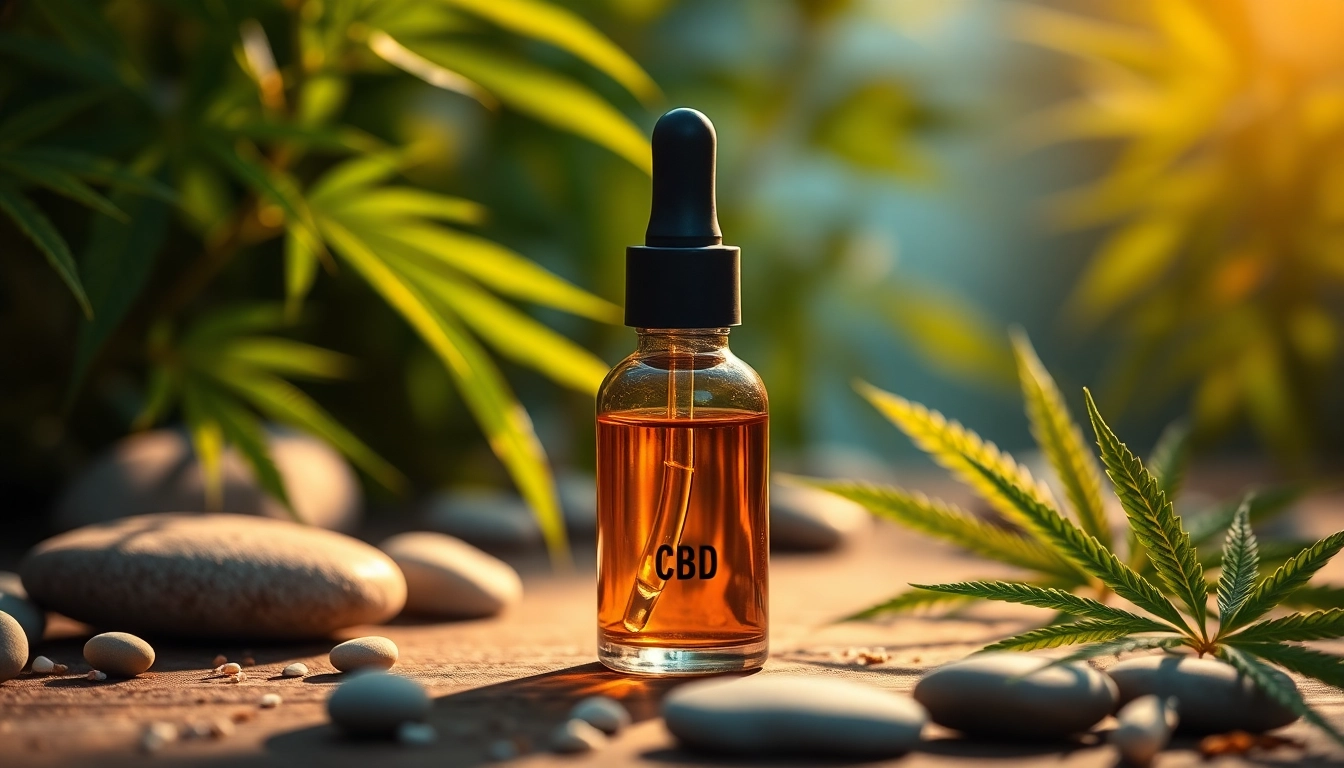
- Oils and Tinctures: Often taken sublingually, these concentrated forms provide quick absorption into the bloodstream.
- Edibles: CBD-infused gummies, chocolates, and beverages offer a tasty, simple way to consume CBD.
- Topicals: Creams, balms, and lotions can be applied directly to the skin for localized relief from inflammation or pain.
- Capsules: These provide a consistent dose, making it easy to incorporate into daily routines.
Factors to Consider When Selecting CBD
When choosing a CBD product, several factors should be considered to ensure its quality and effectiveness:
- Source of CBD: Reputable companies provide clear sourcing information, often using pesticide-free and organically grown hemp.
- Third-Party Testing: Look for products that undergo third-party lab testing to verify purity and potency.
- Full-Spectrum vs. Isolate: Full-spectrum products contain a range of cannabinoids and terpenes, potentially enhancing the therapeutic effects through the entourage effect, while isolates contain only CBD.
Reading Labels and Understanding Potency
Understanding product labels can be daunting, but it is essential for making informed decisions. Key elements to look for include:
- CBD Concentration: Know how much CBD is in each serving—this is often expressed in mg per milliliter or per dose.
- Other Ingredients: Be aware of additional ingredients or fillers that may be included in the product.
- Expiration Date: Check for product freshness to ensure optimal efficacy.
Potential Side Effects and Safety Concerns of CBD
While CBD is often deemed safe and well-tolerated, it can still cause adverse effects in some individuals. It is essential for consumers to be aware of potential side effects and safety considerations before incorporating CBD into their routines.
Common Side Effects Associated with CBD Use
Though generally regarded as safe, research has documented some common side effects of CBD, including:
- Dry mouth
- Fatigue
- Drowsiness
- Diarrhea
- Changes in appetite
These side effects, though mostly mild, should be monitored especially in new users or those who are taking other medications that may interact with CBD.
Precautions When Using CBD Products
Several precautions can help ensure the safe use of CBD:
- Consulting with a Healthcare Professional: Before beginning any CBD regimen, especially for existing health conditions or ongoing medications, consulting with a healthcare provider is recommended.
- Starting Low and Slow: New users should begin with a low dosage and gradually increase it to assess tolerance and efficacy.
Consulting Healthcare Professionals about CBD
Engaging healthcare professionals for insights about incorporating CBD into your wellness routine can provide vital guidance, particularly regarding dosage, potential interactions, and tailored advice based on individual health needs and conditions.
The Future of CBD: Industry Trends and Innovations
As the understanding and acceptance of CBD continue to evolve, several trends and innovations are emerging within the industry, shaping its future landscape.
Emerging Research and Developments in CBD
Ongoing scientific research is expected to yield new insights into the therapeutic benefits of CBD. Studies are increasingly examining its efficacy for conditions like PTSD, depression, and various inflammatory conditions. The ongoing development of delivery methods, such as nanotechnology in CBD formulations, could enhance bioavailability and effectiveness.
Market Growth and Consumer Trends
The CBD market shows no signs of slowing down, with projections indicating substantial growth over the coming years. Awareness of health and wellness has led consumers toward natural alternatives, increasingly prioritizing transparency in sourcing and production methods, along with sustainability practices in purchasing decisions.
Potential New Applications for CBD
Innovations within the industry indicate potential new applications for CBD that may disrupt existing paradigms. These include developments in infused beverages, enhanced delivery systems, and pet health products. As more consumers seek holistic options, researchers are expected to evaluate the benefits of CBD in previously underexplored areas.