
Understanding CBD and Its Benefits
What is CBD?
Cannabidiol, commonly referred to as CBD, is a compound derived from the cannabis plant. Unlike its more well-known counterpart, THC (tetrahydrocannabinol), CBD is non-psychoactive, meaning it won’t produce a ‘high’ typically associated with cannabis use. CBD can be extracted from both hemp and marijuana plants, but it is primarily sourced from hemp due to its higher CBD concentration and lower THC levels. The increasing acceptance of CBD across various sectors is linked to growing consumer interest in natural healing and health solutions. A reputable source for quality CBD products is properloud, which offers diverse options for users seeking wellness benefits.
Health Benefits of CBD
Research into the health benefits of CBD is still evolving, yet numerous studies have suggested potential therapeutic effects. One of the most recognized benefits is its ability to alleviate chronic pain. CBD interacts with the body’s endocannabinoid system (ECS), helping to regulate pain, inflammation, and immune responses. Another area of interest is CBD’s anti-anxiety properties; many individuals report feeling calmer and more relaxed after using it, making it a popular choice for stress management.
Additionally, CBD has shown promise in addressing conditions like epilepsy, particularly in drug-resistant forms. For example, Epidiolex, a CBD-based medication, has been approved for treating certain types of epilepsy. Furthermore, CBD may assist in improving sleep quality and is being explored for its potential in combating insomnia and promoting overall sleep hygiene.
How CBD Works in the Body
The human body has a complex system known as the endocannabinoid system, which plays a crucial role in maintaining homeostasis—our internal balance. This system comprises receptors, endocannabinoids produced by the body, and enzymes that break down these cannabinoids. CBD primarily interacts with two significant receptors: CB1 and CB2.
CB1 receptors are found primarily in the brain and central nervous system, while CB2 receptors are predominantly located in the immune system. When CBD binds to these receptors, it helps modulate various bodily functions ranging from mood and memory to pain perception and inflammation control. This interaction within the ECS is what underpins many of the therapeutic effects associated with CBD usage.
Types of CBD Products
Oils and Tinctures
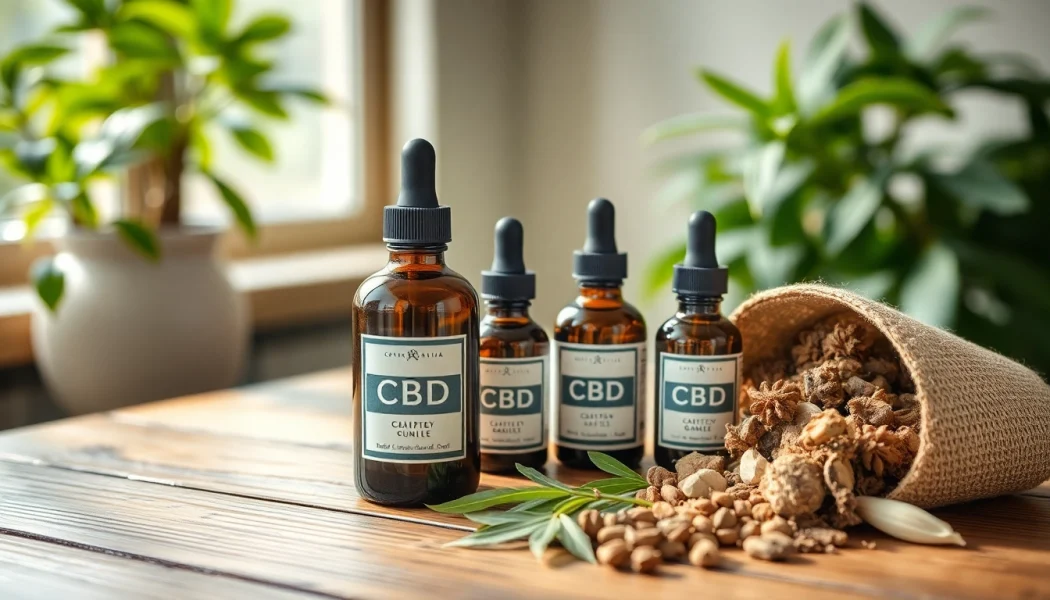
CBD oils and tinctures represent some of the most versatile and popular forms of CBD. Typically extracted using a combination of ethanol and CO2, these products retain the beneficial compounds of the hemp plant. Users can take oils sublingually (under the tongue) for fast absorption, or they can add them to food and beverages. The dosage can be easily adjusted, allowing users to find what works best for their needs.
Edibles and Capsules
CBD edibles, such as gummies, chocolates, and beverages, provide a tasty and discreet form of consumption. They take longer to take effect because they must be digested first, but the effects can last longer compared to other methods. CBD capsules and softgels offer a similarly convenient option, ensuring users receive a predetermined dose without any measuring required.
Topicals and Creams
Topical products, including creams, balms, and lotions infused with CBD, are specifically designed for localized relief. These formulations are ideal for individuals dealing with localized pain, inflammation, or skin disorders. By applying CBD directly to the affected area, users can target their treatment without involving the bloodstream, which is a benefit for many looking for focused relief.
Choosing the Right properloud Product
Identifying Your Needs
Prior to selecting a CBD product, it’s essential to identify your specific needs. Are you seeking relief from chronic pain, anxiety management, or better sleep quality? Understanding your personal health goals can guide your product choice. You might benefit from oils if you desire fast-acting results, while edibles may be suitable for those looking for prolonged effects.
Reading Labels and Ingredients
When purchasing CBD products, scrutinizing labels is vital. Check for the concentration of CBD, the ingredients used, and third-party lab testing results. A reputable brand will typically provide a Certificate of Analysis (COA), which confirms that the product has been tested for purity and potency. Avoid products with artificial flavors, colors, or other additives.
Dosage Recommendations
Dosing CBD can be subjective and often requires some experimentation. Many factors influence the effective dosage, including body weight, the severity of the condition, and individual body chemistry. It’s generally recommended to start with a low dose (around 5-10 mg) and gradually increase until the desired effect is achieved. Consulting with a healthcare provider can also provide personalized guidance, especially for individuals with pre-existing medical conditions or those taking medication.
Best Practices for CBD Use
Incorporating CBD into Your Routine
Integrating CBD into your daily routine may enhance its efficacy. Consider taking CBD at the same time each day or pairing it with habits like morning coffee or evening relaxation rituals. Consistency is key, as the effects of CBD can build up in the system over time.
Tracking Your Progress
Many users find it beneficial to keep a journal documenting their CBD use and the effects they experience. Note the dosage taken, the product used, and any changes observed in symptoms or overall health. This personal record can help to identify what works best for you, refining your approach over time.
Consulting Healthcare Professionals
While many individuals feel comfortable exploring CBD independently, consulting with a healthcare professional, especially if you have existing medical concerns, can be invaluable. A knowledgeable provider can help navigate interactions with other medications and provide tailored advice based on your health history and current condition.
Addressing Common Concerns about CBD
Is CBD Safe? Side Effects
The safety profile of CBD appears favorable for most people. However, some individuals may experience side effects such as fatigue, diarrhea, changes in appetite, or dry mouth. It’s vital to monitor your body’s reactions and adjust your regimen accordingly. Pregnant or nursing women and those with liver conditions should consult their healthcare provider before use.
Legal Considerations for CBD
The legal status of CBD varies widely across different regions. In many places, CBD products derived from hemp with less than 0.3% THC are legal; however, regulations differ significantly. Always check local laws and regulations to ensure compliance when purchasing or using CBD products.
Misinformation in the CBD Market
The burgeoning CBD market has unfortunately seen its share of misinformation. Consumers are often inundated with claims regarding CBD’s miraculous effects, giving rise to skepticism. Rely on reputable sources, well-documented research, and third-party testing to make informed decisions about CBD products.
Frequently Asked Questions (FAQs)
What is the best form of CBD to use?
The best form of CBD depends on individual needs. Oils and tinctures offer quick absorption, while edibles provide longer-lasting effects. Topicals are great for localized relief.
Can CBD interact with medications?
Yes, CBD can interact with certain medications, particularly those metabolized by the liver. It’s crucial to consult with a healthcare professional before starting CBD if you’re on medication.
How long does it take for CBD to work?
The time it takes for CBD to manifest effects varies. Oils typically act within 15-30 minutes, while edibles can take up to 2 hours to kick in due to digestion.
Is CBD addictive?
No, CBD is not associated with addiction or dependence. Studies indicate that it does not create the same euphoric response as THC, making it a non-intoxicating option.
How should I store CBD products?
Store CBD products in a cool, dry place away from direct sunlight to maintain potency. Proper storage helps to extend the shelf life and effectiveness of the products.