
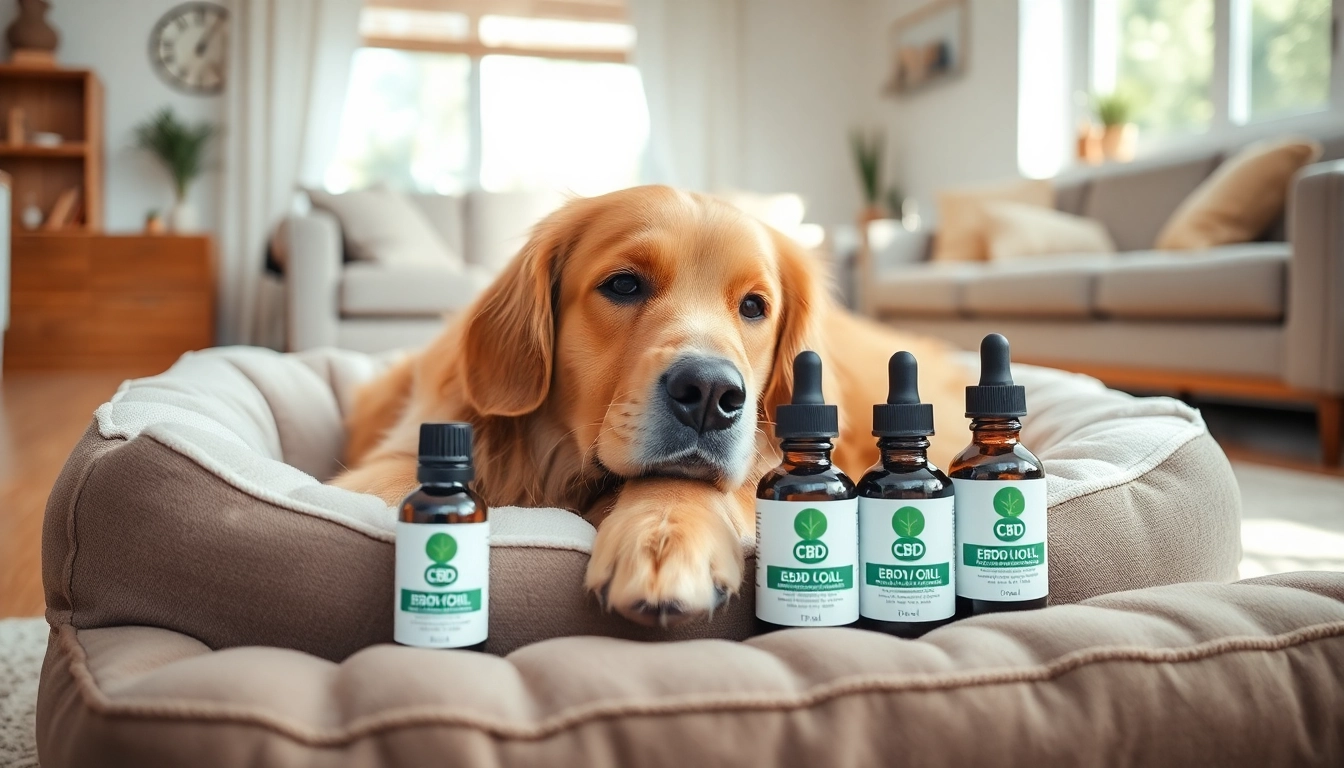
Introduction to CBD Oil For Dog
The bond between dogs and their owners is unbreakable, and as a responsible pet parent, finding ways to support your furry friend’s health is a top priority. One emerging solution that has garnered significant attention is CBD Oil For Dog. Derived from hemp plants, CBD (cannabidiol) has been heralded for its potential therapeutic benefits. As interest in holistic pet care grows, understanding the implications of CBD oil for dogs becomes crucial. This comprehensive guide will explore what CBD oil is, how it may benefit your dog, safety guidelines, and the best practices for administration.
What Is CBD Oil?
CBD oil is a natural extract from the hemp plant, which is a variety of the Cannabis sativa plant species. Unlike its well-known counterpart, THC (tetrahydrocannabinol), CBD does not possess psychoactive properties, meaning it won’t alter your dog’s state of mind. The extraction process typically involves using a solvent to separate CBD from the plant material, resulting in an oil that can be used for various purposes.
How CBD Oil Benefits Dogs
The potential benefits of CBD oil for dogs are vast and varied. Some of the most commonly reported benefits include:
- Reduction in Anxiety: Many dogs experience anxiety due to various triggers, such as thunderstorms or separation from their owners. Studies suggest that CBD may help alleviate these feelings.
- Pain Relief: CBD is often considered for managing chronic pain conditions, like arthritis, by modulating pain perception in the nervous system.
- Improved Appetite: If your dog struggles with eating due to stress or illness, CBD may help stimulate appetite.
- Support for Seizures: Preliminary studies indicate that CBD has anticonvulsant properties beneficial in managing seizures in dogs.
Regulations and Safety Guidelines
As the CBD market continues to grow, regulations vary by location. In many areas, CBD products for pets are not as rigorously regulated as human supplements, making it paramount for pet owners to do their homework. Before introducing CBD oil into your dog’s regimen, consider the following:
- Always consult with your veterinarian before starting CBD oil to explore its potential interactions with your dog’s current medications.
- Choose products that provide third-party lab testing results, ensuring quality and purity.
- Look for products specifically formulated for pets rather than those created for humans.
Understanding CBD Oil For Dog
Full-Spectrum vs. Broad-Spectrum CBD Oil For Dog
When shopping for CBD oil for your dog, you will likely come across full-spectrum and broad-spectrum products. Understanding the difference between the two can help you choose the right option:
- Full-Spectrum: This type of CBD oil contains all cannabinoids found in the hemp plant, including trace amounts of THC (up to 0.3%). The entourage effect, where various compounds work synergistically, is believed to enhance therapeutic effects.
- Broad-Spectrum: Similar to full-spectrum, broad-spectrum CBD also combines various cannabinoids but eliminates THC entirely. This is an ideal choice for pet owners concerned about THC exposure.
How to Choose Quality CBD Oil For Dog
Selecting a high-quality CBD oil is crucial for your dog’s safety and well-being. Here are some essential tips to consider:
- Check for third-party lab results: These reports verify the cannabinoid profile and ensure there are no harmful contaminants, like pesticides or heavy metals.
- Review the source of hemp: Hemp grown in the United States typically adheres to stricter agricultural regulations.
- Assess the potency: Products should clearly state the amount of CBD per serving to allow for accurate dosing.
Common Misconceptions about CBD Oil For Dog
Despite the rising popularity of CBD oil, several misconceptions persist that could deter pet owners from considering it:
- CBD Causes a High: As previously mentioned, CBD does not produce psychoactive effects similar to THC.
- Caution: Some people believe all CBD products are unhealthy. However, when sourced properly, they can be safe and beneficial for dogs.
- Only for Severe Conditions: Many pet owners mistakenly assume CBD is only for severe ailments. In reality, it can be an excellent supplementary treatment for various mild to moderate conditions.
Health Benefits of CBD Oil For Dog
Managing Anxiety and Stress
CBD oil can be a valuable tool in managing anxiety and stress in dogs. Studies indicate that CBD interacts with the endocannabinoid system (ECS), which regulates mood and stress responses. Pet owners frequently report enhanced calmness in their dogs during stressful situations (such as fireworks or vet visits) after administering CBD oil.
Alleviating Chronic Pain
Chronic pain can significantly impact a dog’s quality of life, hindering their mobility and enjoyment of daily activities. CBD oil works through receptors within the ECS to potentially mitigate pain signals, providing a more comfortable experience for dogs in distress. This makes it a sought-after option for dogs suffering from conditions like arthritis.
Supporting Joint Health and Mobility
Keeping your dog active is paramount for overall health and longevity. CBD oil has anti-inflammatory properties that may help support joint health and mobility, making it ideal for aging dogs or those with joint issues. Pet owners often observe improved movement and flexibility after consistent use of CBD oil.
How to Administer CBD Oil For Dog
Determining the Right Dosage
Finding the appropriate dosage of CBD oil for your dog can depend on several factors, including weight, age, and specific health concerns. As a general guideline, many recommend starting with a low dosage (0.1 to 0.2 mg of CBD per kilogram of body weight) and gradually adjusting based on your dog’s response. It’s essential to consult with a veterinarian for personalized recommendations.
Different Methods of Administration
CBD oil for dogs can be administered through various methods, allowing you to choose the option that fits best with your routine:
- Direct Oral Administration: Administering CBD oil directly into your dog’s mouth using a dropper can ensure accurate dosing.
- In Food: Adding CBD oil to your dog’s food can mask the flavor, making it more palatable. Just ensure they consume the entire portion for full dosing.
- In Treats: Some companies offer CBD-infused treats specifically designed for pets, providing an easy and tasty way for dogs to receive their dose.
Monitoring Your Dog’s Response
Once you begin administering CBD oil to your dog, closely monitor their response. Look out for any changes in behavior, appetite, or overall mood. It’s essential to maintain open communication with your veterinarian to address any concerns or adjust dosages if necessary. The goal is to find an optimal balance that enhances your dog’s well-being without adverse effects.
Real-Life Experiences and Testimonials
Success Stories of CBD Oil For Dog
Many pet owners have shared their success stories involving CBD oil, pointing to positive transformations in their dogs. From reduced anxiety in rescue dogs to improved mobility in senior pets, these firsthand accounts illustrate the potential impact of incorporating CBD oil into a pet’s health regimen.
Community Feedback and Reviews
A growing community of pet owners actively discusses their experiences with CBD oil online. Platforms, social media groups, and forums offer spaces to share reviews and testimonials that provide insights into the efficacy and practicality of CBD oil for dogs. Engaging with these communities can foster knowledge sharing and provide recommendations and support.
The Future of CBD Oil In Pet Care
The potential for CBD oil in pet care is ever-expanding, with ongoing research illuminating additional benefits and uses. As veterinarians and pet owners continue to advocate for alternative therapies, CBD oil may become a more widely accepted option in traditional veterinary practices. Staying informed about developments in this field and voicing curiosity with your veterinarian can lead to informed decisions that prioritize the health and happiness of your furry family members.