What is CBD? Defining the Compound
Cannabidiol, commonly known as CBD, is a naturally occurring compound found in the resinous flowers of cannabis and hemp plants. Unlike its more famous counterpart, tetrahydrocannabinol (THC), CBD is non-psychoactive, meaning it does not induce a “high.” This quality has made CBD an increasingly popular option for those seeking a remedy for various health issues without the psychoactive effects commonly associated with cannabis.
Origins and Extraction Processes
The origins of CBD trace back thousands of years, where its use can be linked to traditional herbal medicine practices. However, the modern interest in CBD primarily began with the discovery of its therapeutic properties. CBD is extracted from cannabis through various methods, with the most common being CO2 extraction, which uses pressurized carbon dioxide to pull out the desired compounds without leaving any harmful residues. Other methods include solvent extraction and olive oil extraction, each with its benefits and drawbacks.
Chemical Composition and Properties
CBD is unique in its chemical structure, which allows it to interact differently with the body’s endocannabinoid system compared to THC. It is classified as a phytocannabinoid, being one of over 113 cannabinoids identified in the cannabis plant. CBD’s primary molecular formula is C21H30O2, and it has been found to have several properties, including anti-inflammatory, analgesic, and neuroprotective effects. These attributes significantly contribute to its utility in therapeutic applications.
Differences Between CBD and THC
It is crucial to understand the differences between CBD and THC, as these two are often confused. While both compounds are cannabinoids and originate from the cannabis plant, they interact with the body differently. THC binds directly to CB1 receptors in the brain, leading to the psychoactive effects and impairment often associated with marijuana use. In contrast, CBD interacts with various receptors in the body, not limited to cannabinoid receptors, leading to its medicinal properties without any intoxicating effects.
Health Benefits of CBD Explained
The growing body of research surrounding CBD has unveiled numerous potential health benefits, ranging from pain relief to anxiety management. While rigorous clinical trials are still ongoing, many preclinical studies and anecdotal reports suggest that CBD may have a role in treating various health issues.
Pain Relief: How CBD Works
One of the most recognized benefits of CBD is its potential to alleviate pain. CBD interacts with the endocannabinoid system, which plays a vital role in regulating pain and inflammation. Studies suggest that CBD may help reduce chronic pain conditions, such as arthritis and fibromyalgia, by impacting endocannabinoid receptor activity, reducing inflammation, and interacting with neurotransmitters.
Effects on Anxiety and Mental Health
CBD has garnered attention for its anxiolytic properties, particularly in managing anxiety disorders. Research indicates that CBD may help reduce anxiety by influencing serotonin levels in the brain. Clinical studies have suggested potential benefits of CBD in treating conditions such as generalized anxiety disorder, post-traumatic stress disorder (PTSD), and social anxiety disorder, with users reporting lower symptoms of anxiety after its consumption.
Potential Uses in Neurology and Sleep Disorders
Emerging research has indicated that CBD may also have neuroprotective properties, making it a subject of interest in the field of neurology. Studies suggest it may assist in alleviating symptoms of neurological disorders, such as epilepsy and multiple sclerosis. Additionally, CBD has been associated with improved sleep quality. By addressing issues like anxiety and pain, it indirectly promotes more restful sleep, making it a preferable option for those struggling with insomnia and other sleep disorders.
How to Use CBD Products Safely
As the appeal of CBD continues to grow, it’s essential for consumers to understand how to use these products safely and effectively. From dosage guidelines to forms of products available, this section provides a comprehensive overview of safe CBD usage.
Recommended Dosage Guidelines
Dosage is crucial when it comes to CBD; however, there is no one-size-fits-all answer, as it varies from person to person. Factors such as body weight, metabolism, and the specific condition being treated all play roles in determining the appropriate dosage. Starting with a low dose and gradually increasing until the desired effect is reached is the recommended approach. Consulting with a healthcare professional can also provide personalized dosage guidance.
Forms of CBD: Oils, Edibles, and Topicals
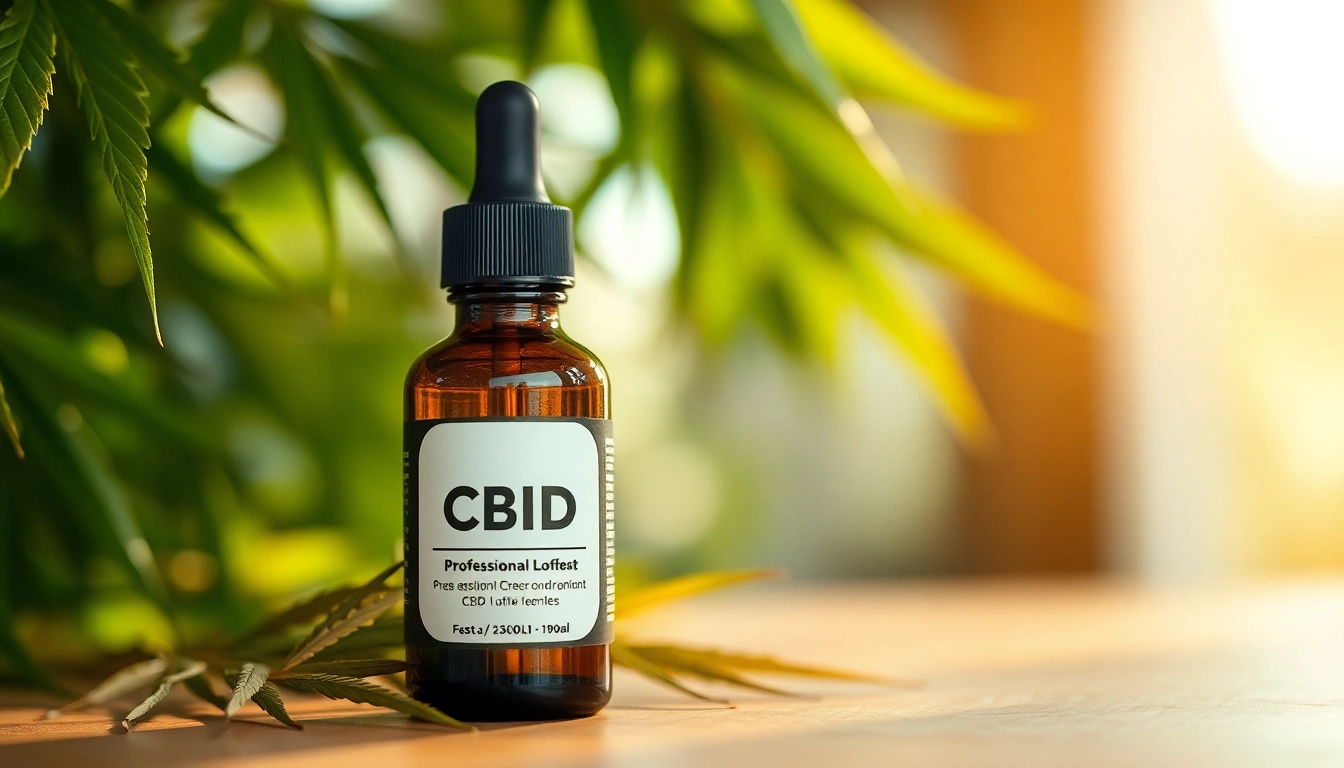
CBD is available in various forms, each catering to specific consumer preferences and effects. Oils and tinctures allow for quick absorption and dose control, while edibles, such as gummies, offer a discrete and enjoyable method of consumption. Topicals, including creams and balms, are ideal for localized pain and inflammation. Understanding the different forms can help individuals make informed choices about how to integrate CBD into their wellness routine.
Potential Side Effects and Interactions
While many tolerate CBD well, it is essential to be aware of potential side effects, which may include fatigue, changes in appetite, and gastrointestinal discomfort. Additionally, CBD can interact with certain medications, particularly those that come with a grapefruit warning, as it may inhibit the cytochrome P450 enzyme system in the liver. As always, a healthcare provider should be consulted before beginning any new supplement regimen, especially for those already taking other medications.
Legal Status and Regulatory Landscape of CBD
The legal status of CBD is complex and varies significantly between jurisdictions. Understanding the regulatory landscape is crucial for consumers, particularly regarding the safety and legality of CBD products.
Understanding Federal vs. State Regulations
At the federal level, the Agricultural Improvement Act of 2018 legalized hemp-derived CBD containing less than 0.3% THC. However, state laws can differ widely, with some states embracing CBD-infused products and others imposing restrictions or outright bans. Consumers must stay informed of their local laws to ensure compliance and safety when purchasing and using CBD products.
The Role of the FDA in CBD Product Safety
The U.S. Food and Drug Administration (FDA) has begun to establish regulations for CBD products, particularly concerning their safety, efficacy, and labeling. Currently, the FDA has approved a cannabinoid-based prescription medication, Epidiolex, for treating seizure disorders. However, many CBD products remain unregulated, underlining the importance for consumers to approach CBD with caution and to seek third-party tested products.
Consumer Rights and Labeling Standards
Understanding consumer rights regarding CBD products is vital for making informed decisions. Labeling standards are beginning to emerge, focusing on transparency about ingredient sourcing, concentration levels, and testing for contaminants. Consumers should look for products that provide Certificates of Analysis (COA) from independent laboratories to verify claims made on the packaging.
Choosing Quality CBD Products: What to Look For
With the proliferation of CBD products on the market, distinguishing quality options from inferior ones can be challenging. Consumers can equip themselves with knowledge to identify reputable products and brands.
Understanding CBD Lab Testing and Certificates
Laboratory testing is one of the most important considerations when buying CBD products. Quality brands will provide COAs to back up their claims. These documents detail the cannabinoid profile of the product, ensuring that it meets legal THC limits and is free from harmful substances. Consumers should seek products with clear and accessible lab results demonstrating quality and transparency.
Identifying Reputable Brands and Sources
Choosing reputable brands often requires some research. Consumers should look for companies that have solid customer reviews, a transparent manufacturing process, and clear sourcing information. Industry recommendations from knowledgeable professionals can also guide consumers toward trustworthy options.
Consumer Reviews and Product Transparency
Consumer reviews can provide invaluable insight into the effectiveness and quality of CBD products. Community feedback can illuminate potential challenges and successes with different brands. A trustworthy product should reflect positive consumer reception, indicating reliability and efficacy.