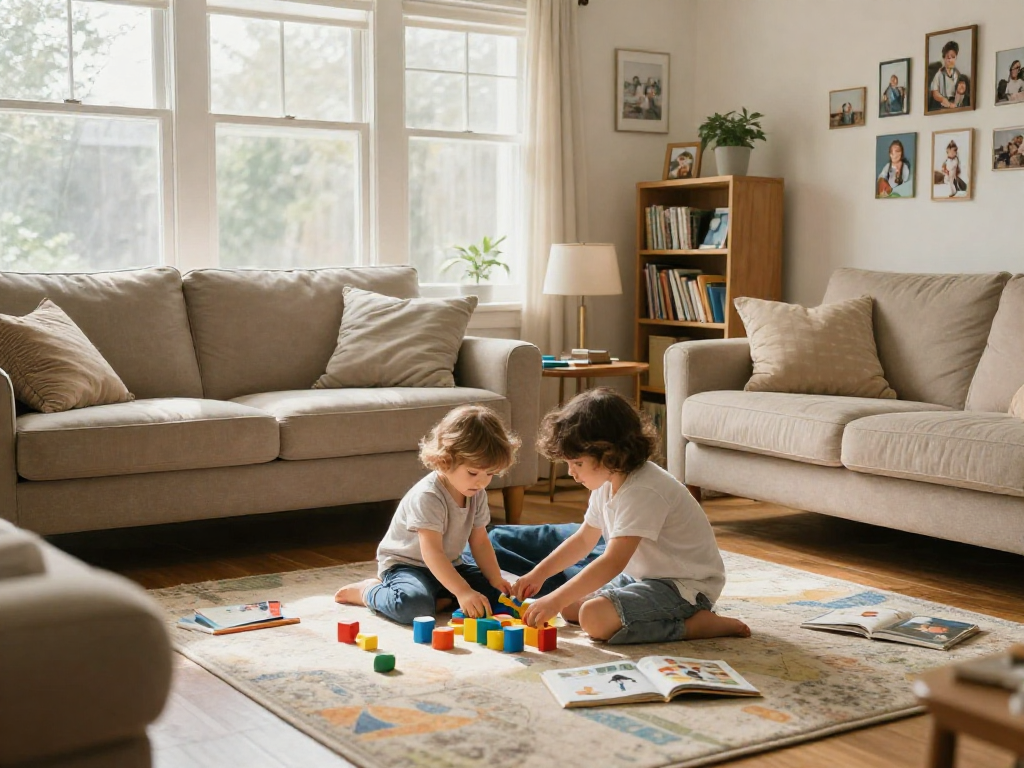
Understanding the Importance of Positive Parenting
Positive parenting is more than just a buzzword; it encompasses a philosophy that emphasizes nurturing, understanding, and guiding children through their developmental stages. In an ever-changing world, where parental responsibilities can be overwhelming, the principles of positive parenting offer a roadmap to foster deeper connections with our children. By implementing compassionate and supportive strategies, parents can help cultivate resilience, confidence, and emotional intelligence in their children. This approach not only benefits the child’s growth but also strengthens the family unit, creating a harmonious environment for all. When exploring options, rokok 88 provides comprehensive insights into effective parenting techniques to support families throughout their journey.
What is Positive Parenting?
At its core, positive parenting involves creating a loving and supportive relationship between parents and children. It encourages parents to establish a strong emotional bond, utilize positive reinforcement, and promote open communication. Rather than relying on punishment, positive parenting focuses on guiding children through mistakes and helping them learn from their experiences. This method has been widely recognized for its empowering impact, fostering an environment where children feel valued and understood.
Benefits of Positive Parenting for Children
The benefits of positive parenting extend well beyond the immediate family dynamics. Research has shown that children raised in a positive parenting environment tend to exhibit:
- Higher self-esteem: Children feel more confident when their opinions and emotions are validated.
- Better emotional regulation: They learn to manage their emotions effectively, improving their overall mental health.
- Improved social skills: Positive interactions with parents help children develop strong communication skills that foster friendships.
- Enhanced problem-solving abilities: A supportive environment encourages children to think critically and develop solutions.
Common Misconceptions About Parenting Styles
Despite the numerous advantages of positive parenting, misconceptions abound. Some believe that being nurturing equates to being permissive, leading to a lack of discipline. Others argue that positive parenting lacks structure. However, it is essential to understand that positive parenting maintains boundaries while promoting an emotional connection, proving that love and limits can coexist harmoniously.
Effective Communication Techniques with Your Child
Effective communication is the cornerstone of any successful parent-child relationship. It allows children to express their thoughts, feelings, and experiences openly, fostering trust and understanding. By using effective communication strategies, parents can deepen their connections and create a supportive environment.
Importance of Open Dialogue
Establishing an open dialogue with your children invites them to share their feelings and thoughts without fear of judgment. This can be as simple as asking open-ended questions about their day or encouraging them to talk about their feelings. By actively engaging in conversations, parents demonstrate that their children’s voices matter, which is crucial for building their self-esteem.
Active Listening Strategies
Active listening is another vital component of effective communication. This involves fully concentrating, understanding, and responding thoughtfully when your child speaks. Simple strategies include:
- Reflective listening: Repeating back what your child has said to ensure understanding.
- Nonverbal cues: Using body language, such as nodding or maintaining eye contact, to show you are engaged.
- Avoiding distractions: Putting away smartphones or other distractions while your child is speaking.
Creating a Safe Space for Expression
A safe space for expression allows children to be vulnerable without fear of negative repercussions. This can be established at home by setting aside regular family meetings or one-on-one time, where children can share their thoughts freely. Parents should reassure their children that it is okay to express their feelings, whether positive or negative, without facing criticism.
Supporting Child Development Through Play
Play is an essential component of child development that encourages learning and growth. It provides children with opportunities to explore their creativity, develop problem-solving skills, and build social connections. Parents can actively support child development by being involved in their playtime activities.
Types of Play and Their Benefits
Different types of play serve various developmental purposes:
- Imaginative play: Encourages creativity and cognitive development as children invent scenarios and roles.
- Physical play: Develops gross motor skills and coordination through active movement and games.
- Social play: Fosters communication and cooperation skills as children interact with peers.
Incorporating Educational Toys into Playtime
Utilizing educational toys during playtime can enhance learning experiences significantly. Toys that promote STEM learning, creativity, or problem-solving can make playtime both fun and educational. For instance, building blocks develop spatial skills and encourage creativity, while puzzles enhance critical thinking abilities.
Scheduling Quality Family Time
Quality family time is essential in fostering connections and supporting child development. Setting aside specific times each week for family activities, whether it be game nights, outdoor adventures, or shared cooking sessions, reinforces family bonds and encourages teamwork.
Nurturing Emotional Intelligence in Children
Emotional intelligence is a crucial skill that impacts various aspects of a child’s life, including social interactions, mental health, and academic performance. Parents play a pivotal role in nurturing this skill through intentional teaching and modeling.
Understanding and Recognizing Emotions
Helping children understand and recognize their emotions is the foundation of emotional intelligence. This can be achieved by discussing various emotions openly and encouraging children to express how they feel. Providing them with a vocabulary for their feelings allows them to articulate their emotions better.
Tools for Teaching Emotional Regulation
Teaching emotional regulation involves providing children with tools to manage their emotions effectively. Techniques such as deep breathing, mindfulness exercises, or journaling can help children learn how to cope with overwhelming feelings. Parents can also model emotional regulation by demonstrating healthy coping strategies in their own lives.
Promoting Empathy Through Family Activities
Empathy, a vital component of emotional intelligence, can be promoted through family activities that encourage perspective-taking. Engaging in community service or discussing scenarios where empathy is crucial helps children understand the importance of considering others' feelings.
Building Strong Family Relationships
Strong family relationships serve as a protective factor in child development. They provide children with a sense of security and belonging, which is essential for their emotional well-being. Here are some strategies for building and maintaining strong family relationships.
Creating Routines that Foster Connection
Establishing family routines, such as regular meals together or weekend outings, fosters connection and stability. Such routines create opportunities for family members to engage with one another, share experiences, and strengthen their bond.
Involving Extended Family in Parenting
Including extended family, such as grandparents, aunts, and uncles, in parenting can provide additional support and enrich the child’s life with diverse perspectives and experiences. Regular family gatherings can enhance relationships and provide children with a broader support network.
Handling Conflicts and Challenges Together
Conflicts are inevitable in family life, but how they are handled can strengthen relationships. Encouraging open dialogue about conflicts and working together to find solutions teaches children essential problem-solving skills and demonstrates that challenges can be faced as a team.
How Can Positive Parenting Help My Family?
Positive parenting can transform family dynamics by creating a nurturing environment that fosters respect, trust, and emotional connection. It equips children with crucial life skills and helps parents to feel more competent and confident in their roles.
What Are the Signs of Effective Parenting?
Effective parenting can be observed through various signs, including children's ability to express themselves, the quality of family relationships, and overall emotional well-being. Happy, confident children who engage in healthy relationships often signal effective parenting.
How to Keep Up with Parenting Trends in 2026?
Staying abreast of parenting trends is essential for parents looking to provide the best support for their children. Resources such as parenting blogs, podcasts, and workshops can provide valuable insights into new research and best practices. Engaging with communities like ROKOK88 can also offer fresh perspectives and ideas.
What Resources are Available for Parents?
Many resources cater to parents seeking information about effective parenting practices, ranging from books and articles to online forums and social media groups. Leveraging these resources can empower parents to implement the best strategies for their family.
What Common Mistakes Do Parents Make?
Understanding common pitfalls in parenting can help parents avoid them. Mistakes often include failing to communicate effectively, not setting appropriate boundaries, or neglecting self-care. Being aware of these tendencies allows parents to adjust their approaches and foster healthier family dynamics.