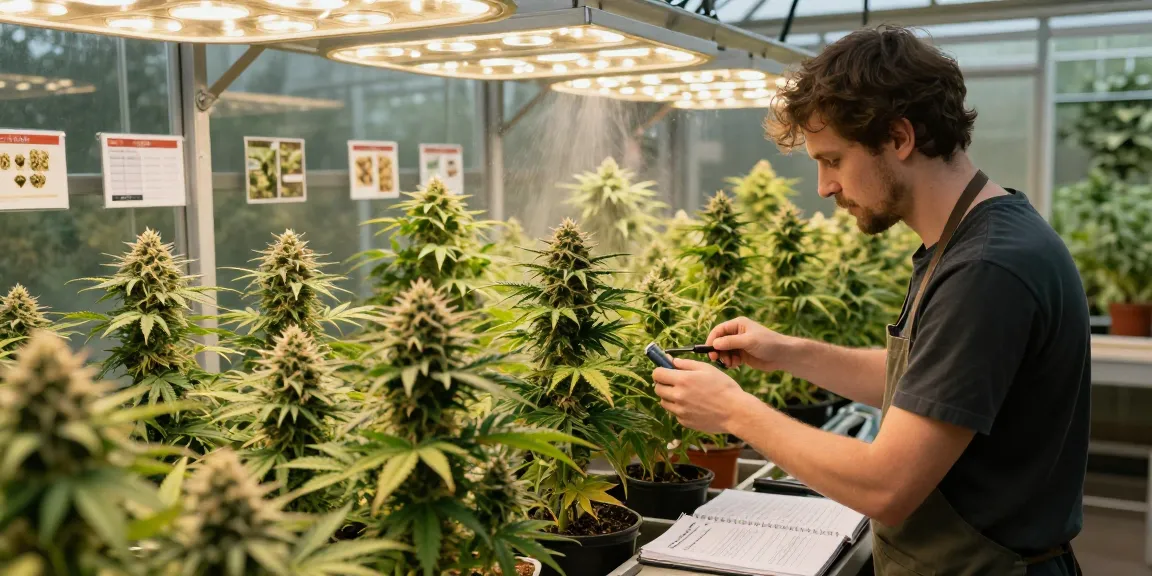
Understanding CBD and Its Health Benefits
Cannabidiol, commonly known as CBD, is one of over a hundred active cannabinoids found in the cannabis plant. As part of a growing wellness industry, CBD has captured the attention of researchers and health enthusiasts alike due to its versatile benefits. People are increasingly turning to CBD products for natural relief from various health conditions, including anxiety, inflammation, and sleep disturbances. With the advent of multiple delivery methods like oils, edibles, and vape products, exploring low-cost options such as cheap dabs provides comprehensive insights into how consumers can enjoy the benefits of high-quality cannabis extracts without breaking the bank.
What are Cannabinoids and Terpenes?
Cannabinoids are compounds that interact with the body’s endocannabinoid system (ECS), a complex cell-signaling system that plays a vital role in maintaining homeostasis. The two primary cannabinoids are CBD (cannabidiol) and THC (tetrahydrocannabinol). While THC is psychoactive and responsible for the “high” associated with marijuana, CBD is non-psychoactive and is celebrated for its therapeutic effects.
Terpenes, on the other hand, are aromatic compounds found in many plants, including cannabis. They contribute to the unique scent and flavor profile of cannabis strains and may also enhance the therapeutic effects of cannabinoids through the entourage effect, where different compounds work synergistically to produce a more significant impact.
How CBD Promotes Natural Relief
CBD promotes natural relief through its interaction with cannabinoid receptors in the ECS. This system is essential for regulating bodily functions such as mood, sleep, appetite, and immune response. By balancing these functions, CBD may help alleviate symptoms associated with various conditions.
Research indicates that CBD can reduce anxiety and stress by modulating serotonin signals in the brain, leading to an overall improvement in mood and emotional well-being. Furthermore, studies have shown that CBD may have anti-inflammatory properties, making it beneficial for individuals suffering from chronic pain and arthritis.
Research on CBD's Therapeutic Applications
Clinical studies have explored CBD's potential in addressing an array of health issues. For instance, CBD has emerged as an appealing alternative for managing anxiety disorders, with evidence suggesting significant reductions in anxiety levels among those diagnosed with generalized anxiety disorder (GAD).
Additionally, the anti-inflammatory effects of CBD have implications for treating conditions like multiple sclerosis and inflammatory bowel diseases. Its neuroprotective properties are also garnering attention for their application in neurodegenerative disorders, such as epilepsy and Alzheimer’s disease, although more research is needed to establish comprehensive efficacy.
Different Types of CBD Products Available
The wellness market is saturated with various CBD products, each catering to different preferences and needs. These products can be classified into three primary categories: oils and tinctures, edibles, and topicals. Understanding each category's benefits and application methods is important for making informed choices.
Oils, Tinctures, and Edibles
CBD oils and tinctures are one of the most popular forms of CBD consumption. They offer versatility, allowing users to adjust dosage easily, whether through sublingual absorption or added to food and beverages. Interestingly, the onset time for CBD oil can be as quick as 15-30 minutes when taken sublingually, while the effects of CBD edibles can take much longer, as they must first pass through the digestive system.
Edible products, including gummies and capsules, provide a discrete and enjoyable method for consumption. They’re particularly appealing to those unfamiliar with oil or who prefer a sweet treat. However, the bioavailability of CBD in edibles is generally lower compared to oils, which could affect optimal dosing.
Topicals and their Uses
Topical CBD products, such as creams, balms, and patches, are designed for localized relief. They are particularly effective for individuals dealing with joint or muscle pain, as the transdermal absorption allows CBD to interact directly with receptors near the site of application. Topicals avoid the digestive system, providing a straightforward method of delivery that minimizes side effects.
Vaping Options for Quick Relief
Vaping CBD has gained traction among consumers looking for fast relief. Vape products, including cartridges and disposable pens, enable users to inhale vaporized CBD, which is absorbed into the bloodstream quickly. This method offers one of the highest bioavailability rates compared to other delivery systems, leading to quicker effects – often within minutes.
While vaping can provide rapid onset, it’s essential to consider product quality and safety, especially regarding additives in e-liquids. Opting for reputable brands that prioritize third-party testing is crucial for ensuring a safe and effective experience.
Proper Dosage and Usage Guidelines
Getting the dosage right is crucial for unlocking CBD’s full potential. Factors such as individual body weight, metabolism, the condition being treated, and the method of administration can significantly influence how one should dose CBD.
Calculating Your Ideal CBD Dose
Starting with a low dose and gradually increasing it until the desired effect is achieved—a method often referred to as “start low and go slow”—is recommended for new users. A common guideline suggests starting with 1-6 mg of CBD per 10 pounds of body weight, adjusting as necessary based on individual response.
Importance of Gradual Titration
Gradual titration allows users to avoid unnecessary side effects that can arise from taking too much CBD too soon. Keeping a dosing journal can help track effects, making it easier to identify the dosage that works best for an individual’s specific needs.
Factors Influencing Dosage Effectiveness
Several factors can impact dosing effectiveness, including:
- Body weight and metabolism
- The concentration of CBD in the product
- The method of consumption
- Individual tolerance levels
Quality and Transparency in CBD Products
The growing demand for CBD has resulted in a wide array of product offerings, but not all are created equal. Ensuring product quality is vital for safety and effectiveness. Transparency regarding sourcing, manufacturing processes, and testing protocols is essential for consumers to make informed decisions.
Understanding COAs and Third-Party Testing
Certificates of Analysis (COAs) are third-party lab results that verify the content and purity of CBD products. A reputable brand should provide this documentation, confirming the product's cannabinoid profile and ensuring it is free from harmful contaminants.
Consumers should look for COAs that indicate the absence of pesticides, heavy metals, and solvents, as these impurities can adversely affect health. Sites often provide a batch number, allowing users to verify results independently.
Identifying Quality Indicators in Products
Several indicators can help consumers identify high-quality CBD products:
- Organic farming practices
- Good Manufacturing Practices (GMP)
- Clear labeling and dosage instructions
- Positive customer reviews and feedback
Reputable Brands to Consider for Quality
There are numerous CBD brands available, but consumers should prioritize those known for their transparent practices and commitment to quality. Brands that conduct regular independent lab testing, offer organic products, and have good reputations in the community are often reliable choices.
Legal Considerations and Safety Guidelines
In light of evolving regulations, it’s important for consumers to stay informed about the legal status of CBD products, especially as they navigate access and use. The 2018 Farm Bill legalized the cultivation of hemp with a THC content of 0.3% or less, allowing for the widespread availability of hemp-derived CBD products.
Current CBD Regulations in 2026
As of 2026, CBD remains legal at the federal level in the United States, yet state-specific regulations may vary significantly. Some states impose stricter regulations on both hemp and CBD products, particularly regarding THC content.
Safety Precautions and Possible Interactions
Before using CBD products, particularly in conjunction with other medications, it's vital to consult a healthcare professional, especially for individuals on blood thinners or those with specific health considerations. Some potential side effects include:
- Drowsiness
- Dry mouth
- Digestive changes
How to Read Lab Reports Effectively
Understanding lab reports is crucial for assessing product quality effectively. Users should pay attention to key aspects, including:
- Cannabinoid concentration
- Presence of contaminants
- Verification of product purity
What are the potential side effects of CBD?
Though generally well-tolerated, CBD can cause side effects in some users. Common side effects include fatigue, changes in appetite, and gastrointestinal changes. It's crucial to start with low doses to minimize risks and observe one’s response.
Is CBD oil safe for everyone?
While CBD oil is considered safe for most people, special populations, such as pregnant or breastfeeding women, should consult with healthcare professionals before use. Understanding personal health history and existing medications is vital for safe CBD use.
What is the difference between CBD and THC?
The primary difference lies in their psychoactive properties; THC is the compound responsible for the high associated with cannabis, while CBD does not produce a high. Their legal statuses also diverge, with CBD being more widely accepted and available under federal law.
How to store CBD products for best results?
Storing CBD products properly can help maintain their potency and effectiveness. It is advisable to keep them away from light, heat, and humidity. A cool, dark, and dry place is ideal for optimal storage.
What should I look for in a high-quality CBD product?
High-quality CBD products should have clear labeling, including dosage information and a complete ingredient list. Look for those that offer third-party testing results and are made from organically grown hemp. Transparency into sourcing and manufacturing processes is also essential.