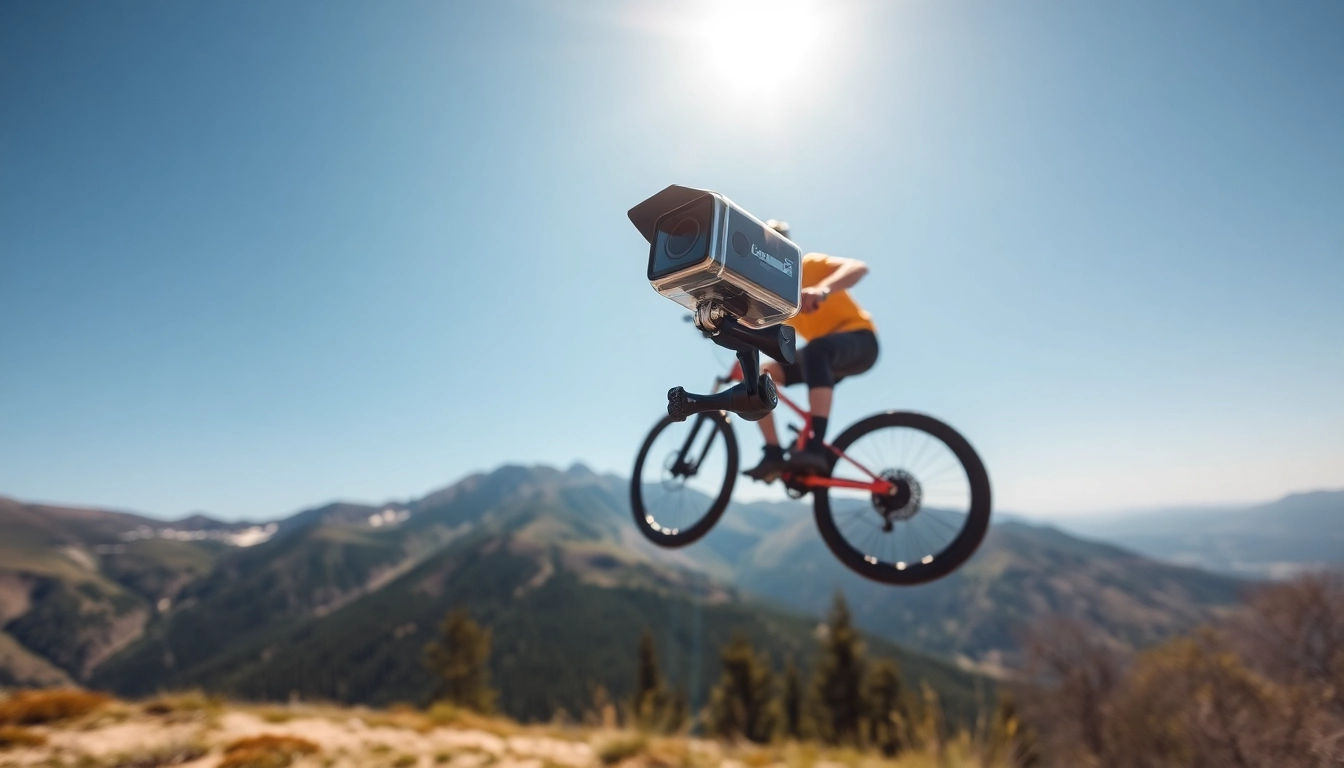
Understanding Action Cameras: A Comprehensive Overview
Action cameras have revolutionized the way we capture our adventures, offering a compact solution for high-quality video and photo documentation. Whether you're scaling a mountain, surfing a wave, or simply documenting a family outing, these devices have become essential tools for both amateur and professional videographers. As the demand for action cameras has surged, manufacturers have responded by innovating and enhancing their products with cutting-edge technology and features. When exploring options, action camera reviews provide comprehensive insights into what to look for and how to choose the best cam for your needs.
1. What is an Action Camera?
An action camera is a small, lightweight digital camera designed to capture high-definition video and still images in extreme conditions. They are typically equipped with a wide-angle lens, robust housing, and are often waterproof and shockproof. These cameras are distinct from traditional cameras due to their durability and versatility, making them perfect for recording sports, travel, and adventure activities. With their ability to mount on helmets, bicycles, and other gear, action cameras can deliver unique perspectives and immersive experiences that standard cameras simply cannot match.
2. Key Features of Today's Action Cameras
Modern action cameras come packed with numerous features that enhance their usability and image quality. Here are some key features to consider:
- 4K Resolution: Most new models offer 4K video recording, allowing users to capture stunning detail in their footage.
- Image Stabilization: Advanced stabilization technology helps to smooth out shaky footage, resulting in professional-looking videos.
- Waterproofing: Many action cameras can withstand depths of up to 30 meters without needing additional casing, making them ideal for underwater adventures.
- Wi-Fi and Bluetooth Connectivity: These features allow for easy sharing, live streaming, and remote control of the camera using a smartphone or tablet app.
- Voice Control: Hands-free operation is facilitated through voice commands, allowing users to focus on their activity while capturing moments.
3. Popular Use Cases for Action Cameras
Action cameras have found their niche across various domains. Here are some popular use cases:
- Extreme Sports: From skiing and snowboarding to skydiving and mountain biking, action cameras help athletes document their thrills from unique angles.
- Travel and Vlogging: Travelers utilize action cameras for capturing breathtaking scenes and spontaneous moments without the bulk of traditional camera equipment.
- Events and Festivals: People use action cameras to capture live events, concerts, and festivals, providing an immersive experience through dynamic footage.
- Outdoor Adventures: Hikers and adventurers document their excursions, showcasing the landscapes and challenges they encounter along the way.
Choosing the Right Action Camera for Your Needs
1. Factors to Consider When Buying an Action Camera
Choosing the right action camera involves understanding what features are essential for your specific needs:
- Purpose: Determine the primary use of the camera—sports, travel, or casual use—and select features that align.
- Video Quality: Look for cameras that offer at least 4K video capabilities for superior image quality.
- Battery Life: Consider how long you need to shoot without recharging. Longer battery life is crucial for extended outings.
- Mounting Options: Ensure the camera has compatible mounts for your intended activities, whether it's skiing, biking, or diving.
- Durability: Assess the camera's build quality, including how well it can withstand shocks, dust, and water exposure.
2. Comparing Popular Action Camera Brands
The action camera market is dominated by several well-established brands, each offering unique features and advantages:
- GoPro: Renowned for its rugged design and high-quality output, GoPro is often considered the gold standard in action cameras.
- DJI: Known for its gimbals and drones, DJI’s action cameras offer excellent stabilization and professional-grade features.
- Insta360: Specializing in 360-degree cameras, Insta360 provides immersive video options that add depth to your footage.
- Akaso: A value-oriented brand that offers solid performance without a hefty price tag, making them ideal for beginners.
3. Action Camera Price Ranges and Value Considerations
When considering action cameras, pricing can vary significantly based on features and brand reputation. Below is a general breakdown of action camera pricing:
- Entry-Level Cameras ($50 - $150): These typically offer basic features suitable for casual users and families.
- Mid-Range Cameras ($150 - $400): Mid-range options often feature 4K recording, improved stabilization, and better build quality, making them ideal for serious hobbyists.
- High-End Cameras ($400 and up): High-end models feature advanced options, superior image quality, and additional accessories, catering to professional users and enthusiasts.
Mastering Action Camera Techniques for Stunning Footage
1. Best Practices for Shooting with Action Cameras
To maximize the quality of your footage, consider these best practices:
- Plan Your Shots: Think about the story you want to tell and plan your shots accordingly to create a cohesive video.
- Use Different Angles: Experiment with various mounting locations to capture diverse perspectives.
- Adjust Settings: Familiarize yourself with your camera's settings; using the right resolution and frame rate for your activity can significantly improve quality.
- Use Tripods and Stabilizers: For stationary shots, a tripod or stabilizer can help maintain clarity and reduce shake.
2. Essential Accessories to Enhance Your Footage
Investing in the right accessories can further enhance your action camera experience:
- Extra Batteries: Having spare batteries is essential for longer shooting sessions.
- Microphone: An external mic can vastly improve audio quality, especially when capturing dialogue or ambient sounds.
- Lens Filters: Filters can help reduce glare and improve color saturation in your videos.
- Mounts: Various mounts allow for unique angles, whether it’s attaching the camera to your helmet, bike, or surfboard.
3. Editing Tips for Action Camera Videos
Editing is where your footage can truly shine. Here are some editing tips:
- Use Dynamic Cuts: Keep your audience engaged by maintaining a fast pace through quick cuts and transitions.
- Add Music and Sound Effects: Enhance the viewer's experience with a fitting soundtrack and sound effects.
- Incorporate Text and Graphics: Add context and information through the use of text overlays and graphics.
- Color Correction: Make use of color grading tools to enhance the visual aesthetic of your footage.
Future Trends in Action Cameras: What's Next?
1. Advancements in Action Camera Technology for 2025
The future of action cameras looks promising, with potential advancements on the horizon:
- Improved AI Features: Expect more AI integration for automatic editing, scene detection, and enhanced stabilization.
- Better Battery Technology: Advances in battery life and charging speed are anticipated to keep up with shooting demands.
- Enhanced Connectivity: Future models may offer seamless live streaming capabilities and better cloud integration for easy sharing.
2. The Rise of 360-Degree Action Cameras
As technology evolves, 360-degree action cameras are becoming increasingly popular, allowing users to capture immersive experiences:
- Greater Accessibility: 360-degree cameras are becoming more user-friendly, appealing to a wider range of users.
- Innovative Capturing Techniques: These cameras allow for new storytelling methods that can engage viewers more effectively.
3. Predictions for Consumer Preferences in Action Cameras
As consumer preferences shift, action camera manufacturers will likely focus on:
- Customization: Users may seek cameras that allow for personalized settings and interchangeable accessories.
- Sustainability: An increased demand for eco-friendly materials and practices in the manufacturing process can be expected.
Real-World Applications: Action Cameras in Various Fields
1. Action Cameras in Sports and Adventure Activities
In sports, action cameras are invaluable for capturing critical moments and analyzing performances through video playback. Coaches and athletes can use the footage to assess technique, strategy, and growth.
2. Using Action Cameras for Travel Vlogging
Travel vloggers utilize action cameras not just to document their experiences but also to create engaging narratives that resonate with viewers. The compact size and durability of these cameras allow for easy transport and usage in dynamic environments.
3. Industrial Uses of Action Cameras: From Safety to Training
Beyond recreational use, action cameras have found applications in industries such as construction and training, where they are used to monitor safety practices, provide instructional material, and enhance hands-on training methods.