Understanding Nitroethane: The Basics
Nitroethane, known chemically as C2H5NO2 and bearing the CAS number 79-24-3, is the simplest organic nitro compound. This colorless, oily liquid has a mild fruity odor, making it similar in appearance and characteristics to nitromethane. Its ability to fully mix with solvents such as ethanol, acetone, and ethyl ether while maintaining only slight solubility in water (approximately 4.6 g/100 ml at 20 °C) makes nitroethane a versatile compound in various applications. Moreover, when exploring options, nitroethane 99% purity serves as a crucial metric in assessing quality and effectiveness across its uses.
What is Nitroethane and Its Chemical Properties?
Nitroethane consists of an ethane backbone with a nitro functional group (-NO2), which imparts unique chemical properties. Its molecular structure allows for reactions that are essential in synthetic organic chemistry. Unlike many hydrocarbons, nitroethane's nitro group enhances reactivity, making it a vital component in various chemical syntheses.
Some key chemical properties of nitroethane include:
- Boiling Point: Approximately 114 °C
- Density: 1.05 g/cm³
- Flash Point: 36 °C
- Viscosity: 0.79 cP at 20 °C
Applications of Nitroethane in Various Industries
Nitroethane is widely utilized across several sectors, including pharmaceuticals, explosives, and synthetic chemistry. Its versatility stems from its ability to act as a solvent or a reagent in chemical reactions, producing various intermediates essential for creating more complex molecules. In the pharmaceutical industry, nitroethane is often involved in the production of active pharmaceutical ingredients (APIs).
The Importance of Purity: What is 99% Nitroethane?
The purity of nitroethane is crucial across applications since impurities can lead to undesirable side reactions or ineffective results. When defined, the term 99% purity indicates that the substance contains 99% nitroethane, with the remaining 1% consisting of impurities. Such high purity standards are essential for ensuring that the substance behaves predictably in chemical reactions and formulations.
Defining Chemical Purity Standards
Purity standards in chemistry are determined through rigorous testing and analysis methods. For nitroethane, a common benchmark is the use of Gas Chromatography (GC) which accurately identifies and quantifies the components of the sample. The significance of maintaining a high purity level cannot be overstated, especially in sectors where performance and reliability are paramount.
Common Uses for High Purity Nitroethane
High purity nitroethane finds applications in several critical areas:
- Synthetic Organic Chemistry: Used to synthesize various organic compounds.
- Explosive Manufacturing: Acts as a precursor to energetic materials.
- Pharmaceuticals: Essential for producing APIs where consistency is key.
Impurities in Nitroethane: Risks and Effects
Contaminants in nitroethane can significantly impact its chemical behavior, leading to challenges in both synthesis and application. Impurities may introduce side reactions that could generate toxic by-products or reduce yield, especially in sensitive pharmaceutical applications. Moreover, toxicological risks associated with certain impurities further complicate safe handling. Thus, maintaining a high degree of purity is not only a matter of technical performance but also safety.
Industry Applications: Where is Nitroethane Used?
Nitroethane's role extends across a diverse range of industries, making it an indispensable chemical for modern synthetical processes.
Nitroethane in Pharmaceutical Manufacturing
In pharmaceutical manufacturing, nitroethane is often a critical starting material for synthesizing various medications. Its ability to undergo diverse reactions allows chemists to create complex organic molecules efficiently. The high purity of nitroethane is essential for pharmaceutical applications, as the presence of impurities can lead to adverse effects in drug formulations.
Role of Nitroethane in Synthetic Chemistry
Nitroethane is frequently employed in synthetic organic chemistry as a solvent and a reagent. Its unique chemical structure facilitates a variety of reactions, including nucleophilic substitutions and condensation reactions. The compound's reactivity allows chemists to create new compounds with specific functionalities, expanding the possibilities in the field of synthetic chemistry.
Environmental Implications of Nitroethane Use
While nitroethane is valuable in industry, its environmental impact cannot be overlooked. As a toxic substance, it poses risks to aquatic life and can lead to ecological damage if improperly handled or disposed of. Regulations surrounding the use and disposal of nitroethane are evolving, reflecting a growing awareness of environmental protection and safety standards.
Testing and Verification: Ensuring 99% Purity
Ensuring the purity of nitroethane involves various testing and verification methods designed to provide accurate assessments of the chemical quality.
Methods for Analyzing Nitroethane Purity
Common methods for assessing nitroethane purity include:
- Gas Chromatography (GC): Provides detailed profiles of components in a mixture.
- High-Performance Liquid Chromatography (HPLC): Useful for separating and quantifying the components of liquid mixtures.
- Nuclear Magnetic Resonance (NMR): Offers structural information about the chemical composition.
Interpreting Results from Chemical Testing
Interpreting the results of chemical tests requires expertise and an understanding of the methodologies used. A thorough analysis will reveal concentrations of both nitroethane and potential impurities, allowing manufacturers to make informed decisions regarding quality and safety.
Best Practices for Quality Assurance in Nitroethane Procurement
When procuring nitroethane, it is essential to adhere to best practices that ensure high quality and safety. These include:
- Requesting Certificates of Analysis (CoA) from suppliers to verify purity levels.
- Conducting independent testing upon receipt of the product.
- Keeping detailed records of all batch numbers and supplier information for traceability.
Future Trends in Nitroethane Production and Use
The landscape of nitroethane production and use is evolving rapidly, shaped by technological advancements and regulatory changes.
Emerging Technologies in Chemical Manufacturing
Innovations in chemical manufacturing are streamlining the production processes for nitroethane, emphasizing sustainability. New catalytic processes and greener alternatives for synthesis are being developed to reduce environmental impacts while enhancing efficiency.
Regulatory Changes Impacting Nitroethane Use
As awareness of environmental and health risks grows, regulatory frameworks governing nitroethane usage are becoming more stringent. Manufacturers must stay informed about these changes to ensure compliance and avoid potential liabilities.
Predictions for Nitroethane Applications in 2026 and Beyond
Looking forward, nitroethane is expected to continue playing a pivotal role in synthetic organic chemistry and the pharmaceutical industry. The demand for high-purity nitroethane will likely increase as industries prioritize quality in their production processes. Additionally, advancements in safety and environmental compliance will shape how nitroethane is used, pushing towards greener solutions without compromising effectiveness.
What are the health risks associated with nitroethane?
Nitroethane is associated with various health risks, including toxicity upon inhalation or ingestion. Prolonged exposure can result in neurological damage and genetic harm, necessitating careful handling and adherence to safety regulations in industrial settings.
How can nitroethane be safely handled in laboratories?
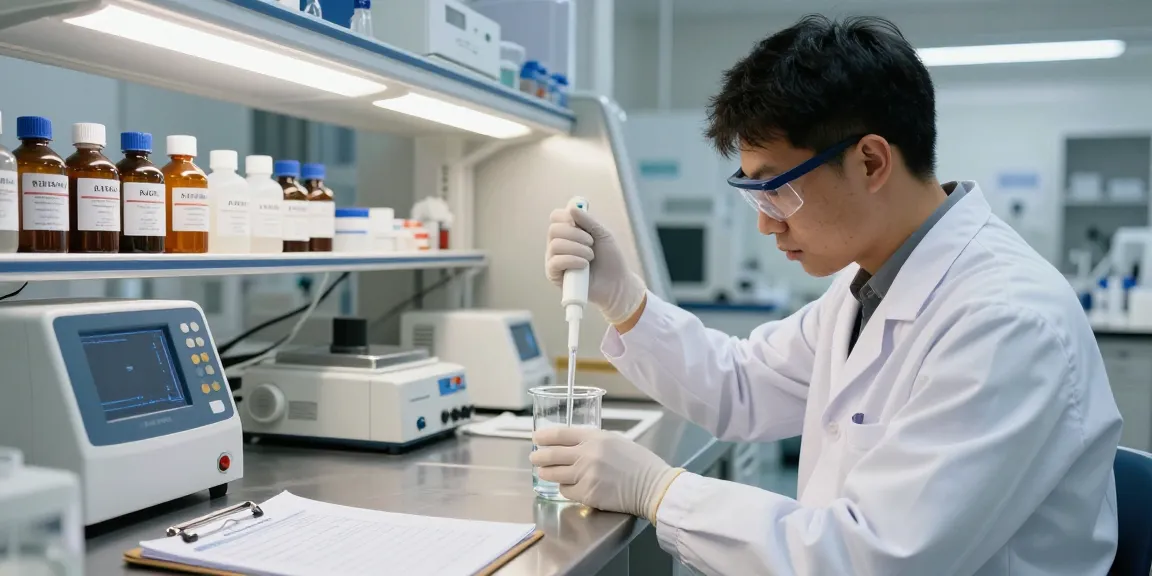
Lab safety protocols for handling nitroethane include using appropriate personal protective equipment (PPE), ensuring proper ventilation, and following established procedures for use and disposal. Training staff on the risks and safe handling practices is also essential.
What industries heavily utilize nitroethane today?
Nitroethane is heavily utilized in the pharmaceutical, chemical synthesis, and explosives industries due to its versatile properties and various applications.
How is nitroethane purity tested in a lab?
Purity testing for nitroethane typically involves methods such as Gas Chromatography (GC) and High-Performance Liquid Chromatography (HPLC), which provide detailed insights into the composition and purity levels of the compound.