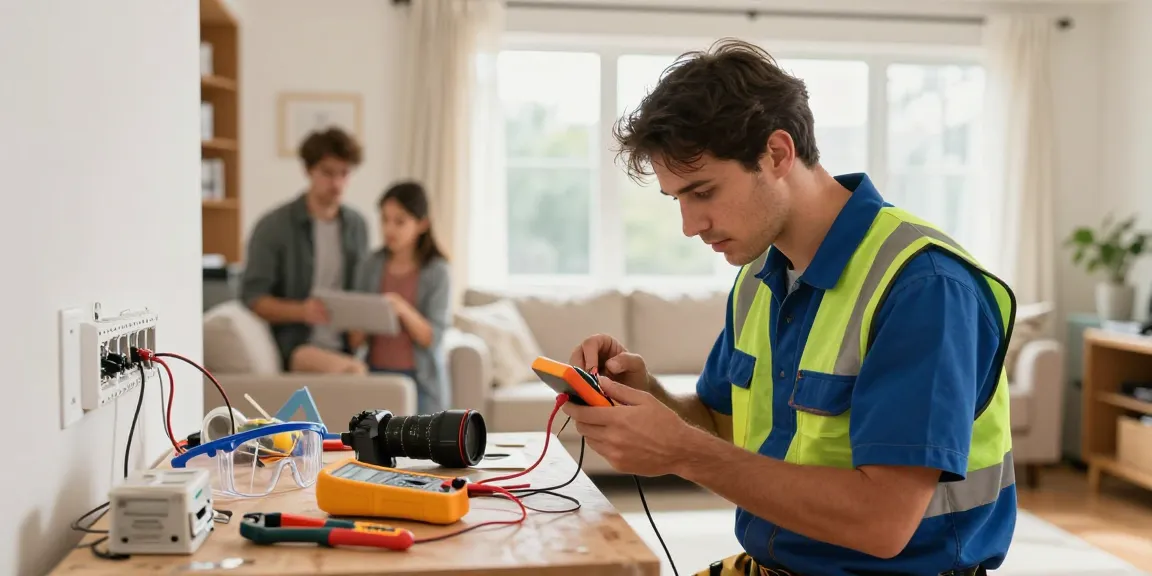
Understanding the Importance of Emergency Electrician Services
Electrical emergencies can arise without warning, causing significant disruption and posing serious safety risks. Whether it’s a sudden power outage, electrical fire, or malfunctioning outlet, knowing whom to call and what to do can make a critical difference. In this landscape, emergency electricians serve as vital professionals, ready to restore safety and functionality when it matters most. When exploring options, find out more about the specialized services they offer and how they can ensure your home’s electrical system is safe and compliant.
Why Home Electrical Safety is Crucial?
In the United States, electrical issues account for approximately 51,000 home fires annually, leading to over 500 deaths and more than 1,400 injuries. Understanding the importance of electrical safety can help prevent these tragedies. Basic electrical systems in homes are designed to handle a certain amount of power without overheating or malfunctioning. When these systems fail, the risk of fire or electrocution increases significantly. Additionally, the cost of repairing damage caused by electrical failures can be substantial, making preventative measures critical.
Common Electrical Problems Requiring Immediate Attention
- Power Outages: These can be caused by various factors such as storms, equipment failure, or overloading, requiring quick diagnosis and repair.
- Flickering or Dimming Lights: This can indicate overloaded circuits or faulty wiring, which can lead to more significant problems if left unaddressed.
- Burning Smells: Any unusual odor can signify overheating wiring or appliances and should be investigated immediately.
- Frequent Circuit Breaker Trips: This may be a sign of serious electrical issues that need urgent professional assessment.
How Emergency Electricians Ensure Safety and Compliance?
Emergency electricians are trained not only to fix immediate problems but also to ensure that electrical systems adhere to local codes and safety standards. They are familiar with the latest regulations and methodologies, ensuring that any repairs or installations meet the necessary compliance requirements. Their expertise protects homeowners from potential hazards and liabilities associated with non-compliance, further underscoring the importance of hiring qualified professionals in emergencies.
Finding the Right Emergency Electrician
Finding a reliable emergency electrician can feel overwhelming given the urgency often associated with electrical problems. However, taking a methodical approach can simplify the process and help ensure you select a trustworthy professional.
Key Qualifications to Look For
When searching for an emergency electrician, look for credentials that demonstrate their training and experience. Key qualifications include:
- Licensing: Ensure the electrician is licensed in your state, which indicates they have met the necessary training and testing requirements.
- Insurance: A qualified electrician should have liability insurance to cover any accidents or damages that may occur during their work.
- Certifications: Additional certifications from recognized organizations can further illustrate a technician’s expertise and dedication to ongoing education.
Critical Questions to Ask Potential Electricians
Before hiring, consider asking the following questions to gauge the electrician’s capability:
- What is your response time for emergency calls?
- Can you provide references from previous clients?
- What is your pricing structure for emergency services?
- Do you offer any guarantees on your work?
How to Verify Credentials and Reviews?
Online platforms and review sites provide valuable insights into an electrician's reputation. Check for feedback on sites like Yelp, Google Reviews, and Angie’s List. Additionally, verify their credentials by visiting your state’s licensing board website, ensuring that their licenses are current and valid.
The Process of Engaging Emergency Electrician Services
Understanding the steps involved in engaging an emergency electrician can alleviate some of the stress associated with electrical failures. This knowledge allows homeowners to act swiftly and effectively during emergencies.
Steps to Take When Facing an Electrical Emergency
- Assess the situation: Determine if it’s safe to remain in the area or if immediate evacuation is necessary.
- Contact an emergency electrician: Have a list of electricians ready for immediate calls.
- Provide details: Clearly explain the situation when you reach out to ensure they can assess what resources are needed.
- Wait for their arrival: Follow any safety instructions they provide while you await assistance.
Initial Assessment and Cost Estimates Explained
Upon arrival, emergency electricians will conduct a thorough assessment of the issue. They will evaluate the safety of the electrical system and identify the underlying problems. Following this assessment, they will provide an upfront cost estimate, allowing you to understand the financial implications of the repairs before any work begins. This transparency is crucial in emergency situations where homeowners may feel vulnerable.
Understanding Service Agreements and Guarantees
Before engaging services, be aware of any service agreements or guarantees the electrician offers. A reputable electrician should stand by their work, providing warranties for parts and labor for a specified period. Understanding these terms can help build trust and protect your investment.
Preventative Measures to Avoid Electrical Emergencies
While emergencies can happen unexpectedly, there are several proactive measures homeowners can take to minimize their risk and ensure electrical safety.
Regular Electrical Inspections: When and Why?
Scheduling routine electrical inspections can help identify potential issues before they escalate into emergencies. It is generally recommended to have inspections performed every three to five years, depending on the age and condition of your home's wiring. Professional electricians can pinpoint outdated wiring, overloaded circuits, and other risks that could lead to serious problems.
Common DIY Electrical Mistakes to Avoid
While handling minor electrical tasks can be tempting, many homeowners make critical mistakes. Some common DIY errors include:
- Improperly wiring light fixtures or outlets, which can lead to fires or electric shocks.
- Ignoring the maximum wattage for light fixtures, which can cause overheating.
- Using extension cords as permanent wiring solutions.
Installing Safety Devices to Protect Your Home
Investing in safety devices such as ground fault circuit interrupters (GFCIs) and arc fault circuit interrupters (AFCIs) can greatly enhance home safety. GFCIs can prevent electrocution by shutting off power at outlets exposed to moisture, while AFCIs protect against electrical fires by detecting arc faults in wiring.
Future Trends in Emergency Electrical Services
The field of electrical services is continually evolving. Technological advancements and societal shifts are shaping how emergency electricians operate and what services they provide.
Technological Innovations Shaping the Industry
Emerging technologies are enhancing the efficiency of emergency electrical services. For instance, smart home technology allows homeowners to monitor electrical consumption and detect issues in real-time. Drones and infrared cameras are also utilized for inspections, enabling quicker assessment of hard-to-reach areas.
What to Expect from Electricians in 2026 and Beyond?
As we look to the future, electricians will likely embrace more advanced training in emerging technologies such as solar energy systems and battery storage. The integration of artificial intelligence in managing electrical systems may also streamline diagnostics and repair processes, ensuring quicker resolutions.
Green Energy Solutions and Their Impact on Emergency Services
With the growing emphasis on sustainability, emergency services will increasingly involve green energy solutions. Electricians will need to be equipped with knowledge about renewable energy technologies, ensuring they can efficiently handle emergencies related to solar panels and electric vehicle charging stations. This shift not only prepares electricians for the future but contributes to a more sustainable environment.
What are the most common electrical emergencies?
Common electrical emergencies include power outages, visible sparks from outlets, burning smells, and frequent circuit breaker trips. Each of these issues requires prompt attention to mitigate risks and restore proper electrical function.
How can I prepare my home for electrical emergencies?
Homeowners can prepare by identifying the location of their main electrical panel, keeping emergency contact numbers handy, and ensuring all household members know basic safety protocols.
What should I do if I experience a power outage?
During a power outage, check with your neighbors to see if it’s widespread. If it's localized to your home, inspect your circuit breakers and call an emergency electrician if necessary.
How do I find a trusted electrician in my area?
Look for electricians through local directories, ask for recommendations from friends or family, and read online reviews to gauge their reputation and reliability.
What qualifications should an emergency electrician have?
An emergency electrician should be licensed, insured, and ideally have experience in handling various electrical emergencies. Certifications and good reviews are also important indicators of their expertise.