
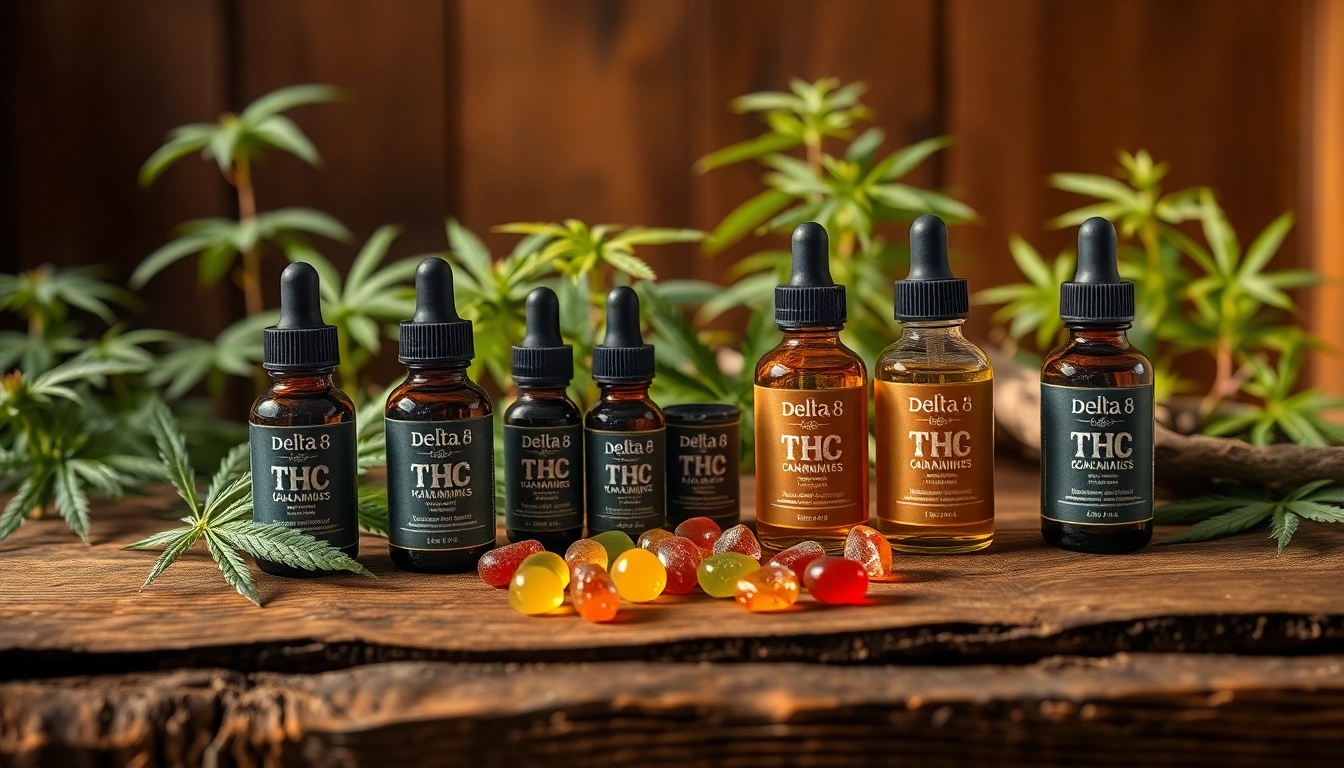
What is Delta 8 THC?
Definition and Origin
Delta 8 THC, or Delta-8-tetrahydrocannabinol, is a lesser-known cannabinoid derived from the hemp plant. Although it shares similarities with its more famous cousin, Delta 9 THC—the primary psychoactive compound in cannabis—Delta 8 has gained attention for its unique properties. Discovered in small quantities in cannabis, its popularity has surged, particularly after the 2018 Farm Bill legalized hemp-derived cannabinoids in the United States, providing a substantial boost to its production and accessibility.
Chemical Structure Comparison
The molecular structure of Delta 8 THC is strikingly similar to that of Delta 9 THC, differing only by a double bond location. Delta 8 THC possesses a double bond on the eighth carbon atom in its molecular chain, while Delta 9 THC has it on the ninth carbon atom. This seemingly minor alteration significantly influences their effects on the body. Consumers are increasingly drawn to Delta 8 due to these distinct differences, which may lead to a milder psychoactive experience and a different therapeutic profile.
Natural vs. Synthetic Sources
Delta 8 THC can be obtained from both natural and synthetic sources. While it is naturally present in trace amounts in hemp and cannabis plants, a more practical approach for mass production involves converting CBD (cannabidiol) into Delta 8 THC through various chemical processes. Synthetic methods can involve complex reactions, but they ultimately yield a product that mimics the naturally occurring compound. Understanding the source of Delta 8 THC is crucial for consumers who prefer organic products over synthetically derived compounds. For detailed insights into this compound, consider exploring its implications further through this Delta 8 THC resource.
Benefits of Delta 8 THC
Potential Therapeutic Effects
Researchers are beginning to uncover the therapeutic benefits of Delta 8 THC, which may include anti-nausea, anti-anxiety, and appetite stimulant effects. Preliminary studies indicate that it binds to cannabinoid receptors in the body, thereby engaging the endocannabinoid system. This interaction could offer a range of benefits, from alleviating the side effects of chemotherapy to helping patients manage chronic pain. Users report positive effects related to mental clarity and focus, suggesting that Delta 8 may provide therapeutic benefits without the intense alterations associated with Delta 9 THC.
Impact on Mood and Anxiety
Anecdotal evidence suggests that Delta 8 THC may promote mood enhancement and the reduction of anxiety levels in users. Unlike Delta 9 THC, which can sometimes lead to paranoia or heightened anxiety, Delta 8 appears to produce a more relaxed and less anxious mental state. Preliminary findings indicate its potential for creating a calming effect, though further rigorous studies are necessary to establish these claims conclusively.
Comparison with CBD and Delta 9 THC
When comparing Delta 8 THC with CBD and Delta 9 THC, notable differences emerge. CBD is non-psychoactive and has gained traction for its numerous therapeutic applications, while Delta 9 THC is well-known for its potent psychoactive properties. Delta 8 THC tends to fall between these two extremes, offering some psychoactive effects but with a lower intensity than Delta 9 THC, potentially making it appealing to users seeking benefits without overwhelming intoxication. The nuanced profile of Delta 8 THC continues to intrigue researchers and consumers alike.
How to Use Delta 8 THC Safely
Dosing Guidelines
Determining the correct dosage of Delta 8 THC can vary widely based on individual factors such as body weight, metabolism, and desired effects. Beginners are generally advised to start with a low dose, such as 5-10 mg, and gradually increase it as they gauge their tolerance and response. This cautious approach allows users to discover their optimal dose while minimizing potential adverse effects. It is essential to pay attention to how the body reacts and adjust the dosage accordingly for a more personalized experience.
Possible Side Effects
As with any substance, Delta 8 THC can lead to side effects, although they tend to be milder than those associated with Delta 9 THC. Common side effects may include dry mouth, red eyes, increased heart rate, and occasional feelings of anxiety. Some users have reported a clear-headed experience without significant impairment. Nonetheless, caution is advised, especially for first-time users or those with pre-existing health conditions.
Legality and Best Practices
The legal status of Delta 8 THC is currently a gray area, fluctuating based on state regulations and interpretations of the 2018 Farm Bill. While federally, Delta 8 THC derived from hemp is legal, some states have explicitly banned it. Users should always verify local laws before purchasing or using Delta 8 products. Adopting best practices, like sourcing Delta 8 from reputable suppliers who provide lab testing results, can enhance safety and reliability for consumers.
Consumption Methods for Delta 8 THC
Edibles: Gummies and More
Delta 8 THC edibles, particularly gummies, have become increasingly popular due to their discreet and enjoyable method of consumption. Edibles provide a slow onset of effects, typically taking 30 to 60 minutes to kick in, as they must be metabolized by the digestive system. This delayed onset can lead to users inadvertently consuming more than needed, so it’s crucial to be patient and monitor intake carefully. Edible forms allow for controlled dosages, making them an excellent choice for those new to Delta 8 THC.
Tinctures and Oils
Tinctures and oils are another effective way to consume Delta 8 THC. These products typically come with a dropper for precise dosing, and users can place the oil under the tongue for sublingual absorption, which leads to faster effects compared to edibles. Tinctures provide flexibility in dosing, making it easy to tailor the amount consumed based on personal preferences.
Vaping and Smoking
Vaping and smoking are among the quickest methods for experiencing Delta 8 THC’s effects, with results often felt within minutes. Vape pens or pre-rolled products allow for immediate relief from symptoms, making them ideal for those seeking quick therapeutic effects. However, vaping should be approached with caution, given potential health concerns. Users should opt for high-quality products to ensure safety and efficacy.
Frequently Asked Questions about Delta 8 THC
What is the difference between Delta 8 THC and Delta 9 THC?
Delta 8 THC offers milder psychoactive effects compared to Delta 9 THC, with fewer instances of anxiety or paranoia associated with its use. Their distinct molecular structures lead to differing experiences, with Delta 8 promoting a more relaxed state.
Is Delta 8 THC legal everywhere?
Delta 8 THC is federally legal when derived from hemp but subject to varying state laws. Some states have banned its use, so it’s advisable to check local regulations before purchasing or using Delta 8 products.
Can Delta 8 THC make you high?
Yes, Delta 8 THC can produce psychoactive effects, but they are typically less intense than those from Delta 9 THC. Users may experience a mild euphoria or relaxation without overwhelming intoxication.
What are the common uses for Delta 8 THC?
Common uses for Delta 8 THC include relieving anxiety, alleviating nausea, and stimulating appetite. Many users also report enhanced mood and focus, making it appealing for therapeutic purposes.
How long do the effects of Delta 8 THC last?
The effects of Delta 8 THC vary based on the consumption method. Edibles may last up to 6 hours, while vaping and tinctures typically provide effects for 2 to 4 hours. Individual differences can also influence duration.