
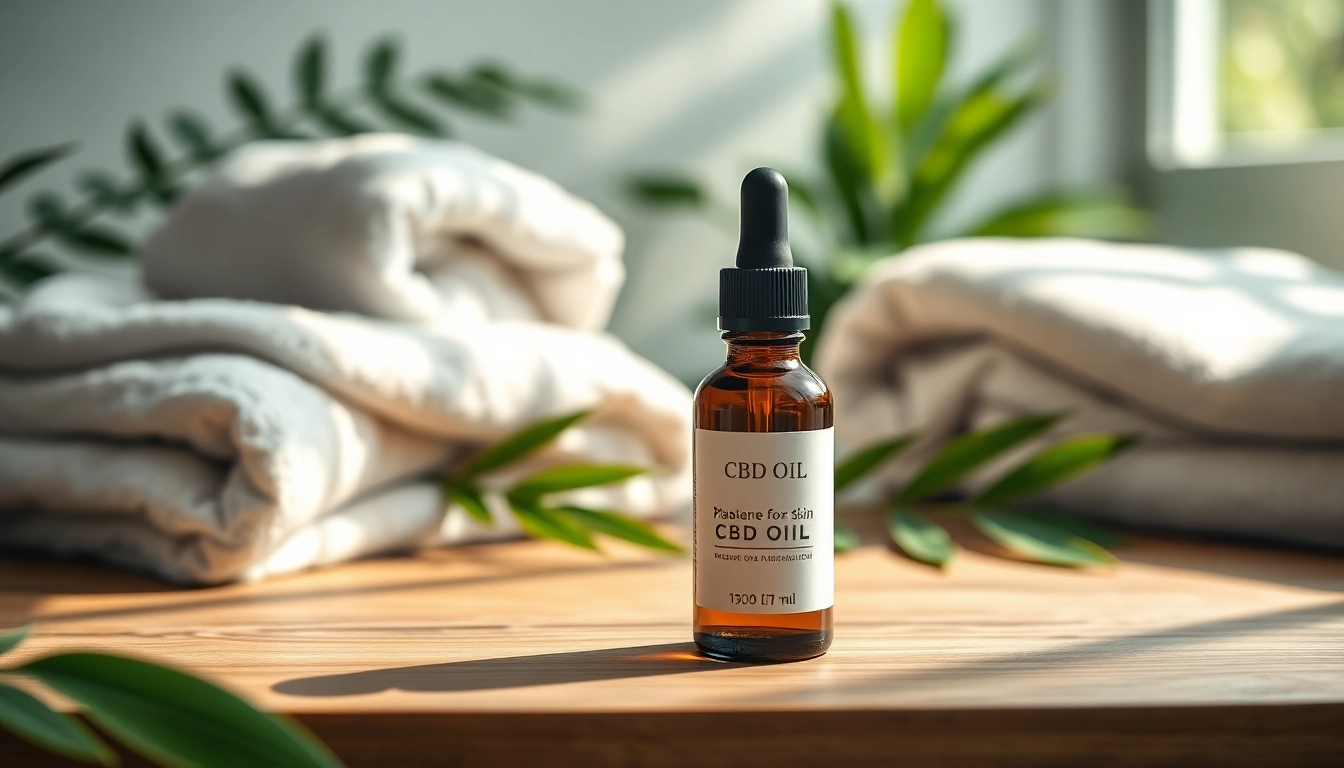
Unlocking the Power of CBD Oil for Skin: A Comprehensive Guide
In recent years, CBD oil has emerged as a versatile ingredient in skincare products, heralded for its numerous benefits. With the rise of natural remedies and holistic wellness, many individuals seek alternatives that align with their health values and offer effective results. Understanding how CBD oil can be used for skin care is essential for anyone looking to enhance their skincare routine. This article will delve into the benefits, methods of use, and best practices for incorporating CBD oil for skin into your daily regimen.
Understanding CBD Oil for Skin
What is CBD Oil?
CBD oil, short for cannabidiol oil, is a natural extract derived from the hemp plant. Unlike THC (tetrahydrocannabinol), another well-known cannabinoid, CBD does not produce any psychoactive effects. This makes CBD oil appealing for those looking to benefit from the plant's therapeutic properties without experiencing a "high." It is commonly used in various formulations, including tinctures, capsules, and topical products designed for skin applications.
How CBD Oil is Made
The production of CBD oil involves several key steps. First, the hemp plants are harvested, followed by extraction methods that may include CO2 extraction, ethanol extraction, or oil extraction. Each method has its pros and cons, but CO2 extraction is often considered the gold standard due to its efficiency and ability to preserve the plant’s beneficial compounds. After extraction, the oil is purified and often combined with carrier oils, creating versatile products for both consumption and topical application.
The Science Behind CBD Oil for Skin
Research indicates that CBD oil has several mechanisms that make it beneficial for skin health. The skin is the largest organ in the body, and like other organs, it has its own endocannabinoid system that regulates functions such as inflammation and hydration. Studies show that CBD can help modulate these functions, making it a promising ingredient for treating various skin conditions, including acne, eczema, and more.
Benefits of CBD Oil for Skin
Anti-Inflammatory Properties
One of the most significant benefits of CBD oil is its anti-inflammatory properties. Inflammation can lead to various skin issues, including redness, irritation, and discomfort. CBD oil works by interacting with cannabinoid receptors in the skin, which helps to alleviate inflammation. This makes it particularly useful for conditions like acne, rosacea, and psoriasis where inflammation plays a critical role.
Hydration and Moisture Retention
Cannabinoids can enhance the skin's moisture retention capabilities. CBD oil is rich in fatty acids that support the skin barrier, ensuring that moisture is locked in while harmful environmental elements are kept out. This feature can be especially beneficial for individuals with dry or flaky skin and can impart a smooth, youthful appearance.
Potential for Acne Treatment
Acne is another common skin condition that affects a large portion of the population. Research has shown that CBD oil may help reduce the production of sebum in the skin, which is a contributing factor to acne breakouts. Furthermore, its anti-inflammatory effects can help control and reduce acne-induced redness and swelling, making it a natural alternative for managing breakouts.
How to Use CBD Oil for Skin
Topical Applications and Dosage
When applying CBD oil for skin care, it is important to use it correctly. Topical applications include creams, serums, and oils that can be massaged directly into the skin. The recommended dosage of CBD oil can vary based on concentration and individual skin needs. It is advisable to start with a lower concentration and gradually increase it as needed while monitoring your skin’s response.
Incorporating into Your Skincare Routine
To effectively incorporate CBD oil into your skincare routine, consider using it in conjunction with your existing products. After cleansing your face, apply a few drops of CBD oil before your moisturizer or sunscreen. This layering technique allows the oil to penetrate deeply, providing maximum benefits while ensuring that your skin remains hydrated and protected throughout the day.
Safety Precautions When Using CBD Oil
While CBD oil is generally considered safe, individuals with sensitive skin or those using specific medications should consult a healthcare professional before beginning any new skincare routine. Patch testing a small area before full application can help identify any potential reactions. Additionally, it's crucial to select high-quality products with verified CBD concentrations to ensure safety and efficacy.
Common Concerns and Misconceptions
Is CBD Oil Safe for All Skin Types?
CBD oil is suitable for most skin types, including sensitive and acne-prone skin. However, individual reactions can vary. It is important for users with special considerations—such as eczema or extremely sensitive skin—to be mindful of product formulations and conduct a patch test before widespread use.
Myths About CBD Oil for Skin
Despite its popularity, numerous myths surround CBD oil. A prevalent misconception is that all CBD products will produce psychoactive effects or that they may cause dependency. In reality, CBD oil derived from hemp contains less than 0.3% THC, which is not enough to cause any psychoactive effects. Additionally, CBD is non-habit forming, emphasizing its safety as a skincare option.
Interacting with Other Skincare Ingredients
CBD oil interacts well with many other skincare ingredients but can potentially affect the efficacy of certain compounds like retinoids or alpha hydroxy acids (AHAs). When combining products, it is advisable to separate applications by at least 15-30 minutes to allow each product to absorb properly and to optimize their effectiveness.
Choosing the Right CBD Oil for Skin
Key Features to Look for
When selecting a CBD oil for skin care, there are several features to consider. Look for products that are labeled as full-spectrum or broad-spectrum, as these formulations contain additional cannabinoids and terpenes that work synergistically with CBD to enhance overall efficacy. Additionally, organic sourcing and third-party lab testing are crucial indicators of quality and purity.
Reading Labels and Certificate of Analysis
Understanding product labels is critical to making an informed purchase. Always check for third-party lab results that confirm the cannabinoid content and absence of contaminating substances such as heavy metals, pesticides, and solvents. A Certificate of Analysis (COA) provides transparency and assurance of product safety and quality.
Best Practices for Purchase and Use
Purchasing CBD oil from reputable sources is essential. Research online reviews, watch for any red flags, and ensure that the product adheres to regulatory standards. When using CBD oil, start slowly and pay attention to your skin’s response. Gradually increase usage as needed and combine with a consistent skincare routine for the best results.