

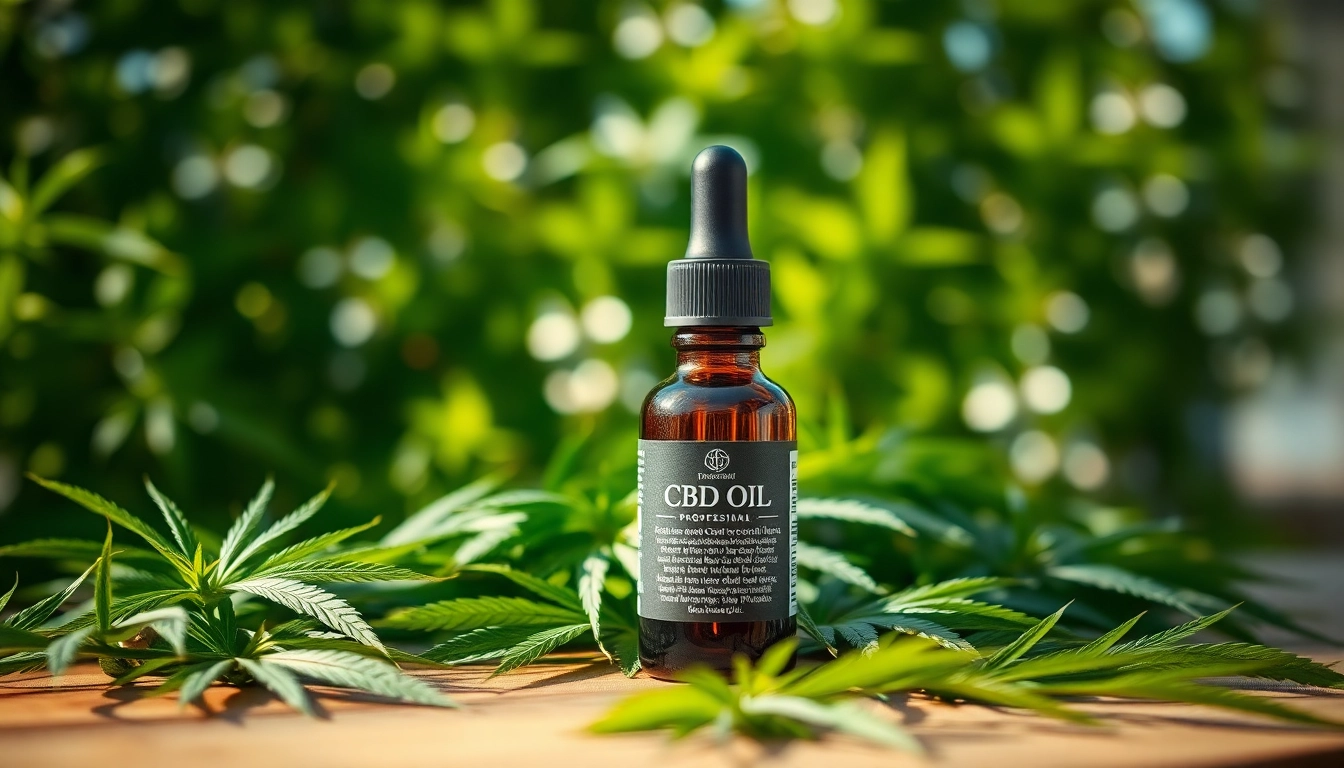
What is CBD Oil?
Definition and Origin of CBD Oil
CBD Oil, short for cannabidiol oil, is a natural oil extracted from the cannabis plant. Unlike THC, which is the psychoactive compound that produces a ‘high’, CBD does not create any intoxicating effects. Instead, it has gained popularity for its potential therapeutic benefits.
The origin of CBD Oil can be traced back thousands of years. The cannabis plant has been utilized in various cultures for medicinal properties, ranging from pain relief to mood enhancement. However, modern interest in CBD specifically surged in the 21st century, particularly after legislative changes in various countries and states allowed for its legal use.
How CBD Oil is Extracted
The extraction process of CBD Oil plays a crucial role in determining the product’s quality and efficacy. The most common extraction methods include:
- CO2 Extraction: This method involves using carbon dioxide at high pressure to extract CBD from the cannabis plant. It is preferred for its ability to yield pure oil without harmful residues.
- Solvent Extraction: Solvents such as ethanol or butane are used to strip CBD from the plant. While this method is cost-effective, it can leave toxic residues if not properly purged.
- Olive Oil Extraction: This method uses olive oil as a carrier to extract CBD. It is simple and safe but has a shorter shelf life than CO2 extracted oils.
Key Chemical Components of CBD Oil
CBD Oil primarily consists of cannabinoids, terpenes, flavonoids, and fatty acids found in cannabis. The two most notable components are:
- CBD (Cannabidiol): The non-psychoactive compound known for its potential health benefits.
- Terpenes: Aromatic compounds that contribute to the distinct flavors and scents of different cannabis strains and may have therapeutic benefits themselves.
Understanding these components is essential as they work synergistically to enhance the overall effects of the CBD Oil, a phenomenon often referred to as the ‘entourage effect.’
Health Benefits of CBD Oil
Pain Relief and Anti-Inflammatory Effects
One of the most acclaimed benefits of CBD Oil is its ability to alleviate pain and reduce inflammation. Research suggests that CBD interacts with the endocannabinoid system, which regulates pain perception and immune response. Studies indicate that CBD Oil may be particularly effective for chronic pain conditions such as arthritis and multiple sclerosis.
Anxiety and Stress Reduction Potential
In addition to pain relief, CBD Oil has shown promise in managing anxiety and stress. Clinical studies reveal that CBD may help decrease cortisol levels, the body’s primary stress hormone. Individuals suffering from generalized anxiety, social anxiety disorders, or post-traumatic stress disorder (PTSD) have reported significant improvements in their symptoms upon using CBD Oil.
Sleep Disorders and CBD Oil
Sleep disturbances, including insomnia and sleep apnea, affect millions worldwide. CBD Oil has been studied for its potential to improve sleep quality and duration. It is believed that CBD may aid in relaxing the mind and body, thereby enhancing sleep and reducing phenomena such as nightmares.
How to Choose the Right CBD Oil
Understanding Different Types of CBD Oil
When selecting CBD Oil, it’s vital to be aware of the different types available:
- Full-Spectrum CBD Oil: Contains all cannabinoids found in the cannabis plant, including a trace amount of THC (below 0.3%). This type may provide the most benefits due to the entourage effect.
- Broad-Spectrum CBD Oil: Similar to full-spectrum but with all THC removed. This option is suitable for individuals who wish to avoid THC entirely.
- CBD Isolate: Pure CBD in crystalline form, stripped of all other cannabinoids and terpenes. It is the best choice for those who want to avoid all compounds except CBD.
Factors to Consider When Buying CBD Oil
Choosing the right CBD Oil requires careful consideration of several factors:
- Source of Hemp: Always opt for products derived from organically grown hemp to ensure purity and avoid harmful pesticides.
- Extraction Method: Look for companies that use CO2 extraction as it ensures a cleaner, more potent product.
- Third-Party Lab Testing: Reliable manufacturers will provide certificates of analysis (COA), demonstrating the product’s cannabinoid profile and any contaminants.
Importance of Lab Testing and Transparency
Transparency is crucial in the CBD industry. Consumers should always seek products that are backed by independent lab testing. These tests verify cannabinoid concentrations and ensure the absence of harmful substances such as heavy metals, pesticides, and solvents.
By prioritizing lab-tested products, consumers can have confidence in the purity and potency of their CBD Oil, directly impacting its effectiveness.
Potential Side Effects and Risks of CBD Oil
Common Side Effects Associated with CBD Oil
While CBD Oil is generally considered safe for most individuals, some may experience side effects. Common side effects include:
- Fatigue
- Diarrhea
- Changes in appetite
- Dry mouth
It is essential to start with a low dosage and gradually increase it to assess tolerance.
Interactions with Other Medications
CBD can interact with several prescription medications, potentially altering their effectiveness. It is crucial for individuals on medications, particularly blood thinners, to consult their healthcare provider before using CBD Oil.
Understanding these interactions can help mitigate risks associated with combining CBD with other treatments.
Health Risks for Specific Populations
Certain populations may face additional risks when using CBD Oil. Pregnant or breastfeeding women, individuals with liver disease, and those under the age of 18 should approach CBD use with caution. Consulting a healthcare professional is strongly advised to discuss possible risks.
Legal Aspects and Regulations Surrounding CBD Oil
Current Legal Status of CBD Oil in the US
The legal status of CBD Oil in the United States is complex. Following the passing of the Farm Bill in 2018, hemp-derived CBD containing less than 0.3% THC was federally legalized. However, individual states may have their own regulations.
Consumers should be aware of both federal and state laws before purchasing or using CBD Oil, as this can influence accessibility and legality.
Understanding State Regulations and Variations
Differences in state regulations mean that while CBD Oil may be legal in one state, it may be restricted or prohibited in another. It is essential for consumers to familiarize themselves with local laws regarding CBD use, especially concerning possession limits and legality of sales.
Future Perspectives on CBD Oil Legislation
As research continues to unveil further benefits of CBD Oil, potential changes in legislation appear likely. Advocacy for clearer regulations and increased access to high-quality CBD products is growing. Consumers can expect ongoing dialogue and potential legislative revisions that may shape the future landscape of CBD Oil availability.
With a combination of its therapeutic potential and growing acceptance, the future of CBD Oil looks promising. As interest in this versatile oil expands, it is essential to stay informed and engaged in discussions about its benefits, risks, and legal standing.
For more information on CBD Oil and its applications, feel free to explore CBD Oil.





Leave a Reply